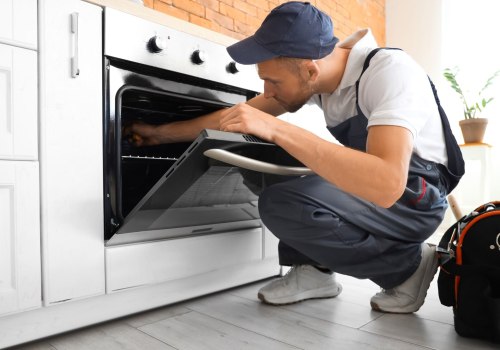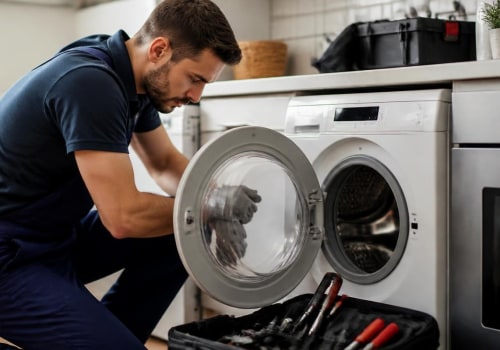
Appliance maintenance is a crucial aspect of homeownership that often goes overlooked. It encompasses a range of tasks aimed at keeping household appliances in optimal working condition. From regular cleaning to timely repairs, appliance maintenance ensures that your devices operate efficiently and last longer. Understanding the fundamentals of appliance care can save homeowners significant time and money in the long run. The importance of appliance maintenance cannot be overstated.
Well-maintained appliances not only perform better but also consume less energy, which translates to lower utility bills. Moreover, neglecting routine maintenance can lead to unexpected breakdowns, resulting in costly repairs or even the need for complete replacements. By investing a little time and effort into maintaining your appliances, you can enhance their performance and extend their lifespan. Basic appliance care involves simple practices such as regularly cleaning filters, checking seals, and ensuring proper ventilation. These tasks may seem minor, but they play a significant role in preventing larger issues down the line.
As we delve deeper into this topic, we will explore common mistakes that many homeowners make when it comes to appliance maintenance, helping you avoid pitfalls that could jeopardize your appliances' efficiency and longevity.
Neglecting Regular Maintenance Schedules
One of the most significant mistakes homeowners make regarding appliance maintenance is neglecting to adhere to a regular maintenance schedule. Just like any other system in your home, appliances require consistent care to function efficiently and last longer. Ignoring this aspect can lead to a host of problems, including decreased performance, higher energy bills, and even costly repairs.Importance of Regular Maintenance
Regular maintenance is crucial for several reasons:
- Prevention of Breakdowns: Routine checks can help identify potential issues before they escalate into major problems.
- Energy Efficiency: Well-maintained appliances operate more efficiently, which can lead to lower utility costs.
- Extended Lifespan: Consistent care can significantly extend the life of your appliances, saving you money in the long run.
How Often to Maintain Appliances
The frequency of maintenance varies by appliance type. Here are some general guidelines:
- Refrigerators: Clean the coils every six months and check door seals regularly.
- Washing Machines: Inspect hoses for wear and clean the lint filter after each use.
- Ovens: Perform a deep clean every three months and check for gas leaks if applicable.
- Dishwashers: Clean filters monthly and run a cleaning cycle with vinegar every few months.
Mark specific dates for each appliance's maintenance tasks, ensuring that you stay on track. Additionally, keep a log of completed maintenance tasks to help you monitor your appliances' health over time.By prioritizing a regular appliance maintenance schedule, you can avoid the pitfalls of neglect and ensure that your home remains efficient and safe.
Using Incorrect Cleaning Products
When it comes to appliance maintenance, one of the most common mistakes homeowners make is using incorrect cleaning products. Not all cleaners are suitable for every appliance, and using the wrong one can lead to damage, reduced efficiency, or even safety hazards.Understanding Harmful Cleaning Products
Many household cleaners contain harsh chemicals that can corrode surfaces or leave harmful residues. For instance, using bleach on stainless steel can cause discoloration and pitting.Similarly, abrasive cleaners can scratch delicate finishes on appliances like microwaves and refrigerators.
Choosing the Best Cleaning Products
To ensure effective and safe cleaning, consider the following tips:- Read Manufacturer Guidelines: Always check the user manual for your appliances. Manufacturers often provide specific recommendations for cleaning products that are safe to use.
- Opt for Natural Cleaners: Many natural cleaning solutions, such as vinegar and baking soda, are effective and less likely to cause damage. They can be used for a variety of appliances without the risk of harmful chemical exposure.
- Test Before Use: If you're trying a new cleaning product, test it on a small, inconspicuous area first to ensure it won't harm the surface.
Appliance Cleaning Tips
Here are some additional tips to keep in mind when maintaining your appliances:- Use Soft Cloths: Always use soft cloths or sponges to clean surfaces. Avoid steel wool or rough scrubbers that can scratch.
- Avoid Excess Moisture: When cleaning electrical appliances, be cautious with moisture.
Excess water can seep into electrical components and cause malfunctions.
- Regular Maintenance: Schedule regular cleanings with appropriate products to prevent buildup and maintain appliance efficiency.
Ignoring Manufacturer Guidelines
When it comes to appliance maintenance, one of the most critical mistakes homeowners make is ignoring manufacturer guidelines. Each appliance comes with a set of specific instructions designed to ensure optimal performance and longevity. These guidelines often include essential maintenance tasks, recommended cleaning methods, and even the types of products that should or should not be used.Why Following Manufacturer Instructions Matters
- Warranty Protection: Many manufacturers stipulate that failure to adhere to their maintenance guidelines can void your warranty. This means that if an appliance breaks down due to neglecting these instructions, you could be left footing the bill for repairs that would otherwise be covered.
- Optimal Performance: Regular maintenance as outlined by the manufacturer helps keep your appliances running efficiently.
Ignoring these recommendations can lead to decreased performance, higher energy bills, and ultimately, a shorter lifespan for your appliance.
- Safety Concerns: Some maintenance tasks are crucial for safety. For example, failing to clean a dryer vent according to the manufacturer's instructions can lead to fire hazards. Always prioritize safety by following the guidelines provided.
Common Manufacturer Guidelines to Follow
- Regular Cleaning: Most appliances require periodic cleaning to prevent buildup that can affect performance.
- Filter Replacement: Many appliances have filters that need to be replaced regularly. Ignoring this can lead to inefficiency and potential damage.
- Professional Servicing: Some appliances may require professional servicing at specific intervals.
Skipping these services can lead to costly repairs down the line.
Overlooking Small Repairs
One of the most common mistakes homeowners make regarding appliance maintenance is overlooking small repairs. These minor issues, if ignored, can lead to significant problems down the line, resulting in costly repairs or even the need for a complete replacement.Recognizing the signs of appliance issues early can save you time and money. Here are some common indicators that your appliance may need attention:- Unusual noises: If your appliance starts making strange sounds, it could indicate a mechanical issue.
- Leaks: Water pooling around your appliance is a clear sign that something is wrong.
- Inconsistent performance: If your appliance isn’t functioning as efficiently as it used to, it may need a minor repair.
- Burning smells: Any unusual odors can signal electrical problems that require immediate attention.
For instance, a simple clogged filter in your dishwasher can lead to water damage if not cleared. Regularly checking and maintaining your appliances can help you catch these problems early.However, there are times when it’s best to call in a professional. If you notice any of the following, it’s wise to seek expert help:
- Complex electrical issues: If you’re unsure about handling electrical components, it’s safer to consult a technician.
- Persistent problems: If an issue keeps recurring despite your attempts at repair, professional intervention may be necessary.
- Lack of knowledge: If you’re unfamiliar with how to fix a specific appliance, don’t hesitate to reach out for help.
Failing to Check for Safety Hazards
When it comes to appliance maintenance, one of the most critical aspects that often gets overlooked is the need to regularly check for safety hazards.Appliances are designed to make our lives easier, but if not properly maintained, they can pose significant risks. Here are some common safety hazards to be aware of:
- Electrical Issues: Frayed cords, loose connections, and overloaded outlets can lead to electrical fires. Always inspect the power cords of your appliances for any signs of wear and tear.
- Gas Leaks: For gas appliances, a leak can be extremely dangerous. Regularly check for any unusual smells or sounds that might indicate a gas leak, and ensure that your appliances are properly ventilated.
- Overheating: Appliances that overheat can cause fires or damage.
Ensure that vents are not blocked and that appliances are used according to the manufacturer's guidelines.
- Water Damage: Leaking refrigerators or dishwashers can lead to water damage and mold growth. Regularly inspect hoses and seals for any signs of wear.
- Regular Inspections: Schedule routine checks for all your appliances. Look for any signs of damage or malfunction.
- Follow Manufacturer Guidelines: Always adhere to the maintenance instructions provided by the manufacturer. This includes cleaning schedules and recommended service intervals.
- Use Appliances Safely: Ensure that all users are aware of how to operate appliances safely, including turning them off when not in use.
- Professional Servicing: Don’t hesitate to call in professionals for servicing if you notice any irregularities.
They can identify potential hazards that may not be visible to the untrained eye.
Not Keeping Appliances Clean and Organized
Keeping your appliances clean and organized is crucial for their performance and longevity. Neglecting this aspect of appliance maintenance can lead to a range of issues, from decreased efficiency to potential breakdowns. Regular cleaning not only enhances the appearance of your appliances but also ensures they operate at their best.Why Clean Appliances Matter
- Improved Efficiency: Dust, grease, and grime can accumulate on appliances, causing them to work harder than necessary.
For instance, a dirty refrigerator may struggle to maintain the right temperature, leading to higher energy bills.
- Extended Lifespan: Regular cleaning can prevent wear and tear on components. For example, a well-maintained dishwasher is less likely to develop clogs or mechanical failures.
- Health Benefits: Clean appliances reduce the risk of bacteria and mold growth, particularly in kitchen environments where food is prepared.
Practical Cleaning Tips
- Establish a Routine: Set a regular schedule for cleaning your appliances. Weekly or monthly deep cleans can help maintain their condition.
- Use Appropriate Cleaners: Always use cleaners that are safe for the specific materials of your appliances. For example, stainless steel requires special cleaners to avoid scratches.
- Organize Your Space: Keep your kitchen appliances organized by designating specific areas for each item.
This not only makes cleaning easier but also helps you quickly find what you need.
- Check for Maintenance Needs: While cleaning, take the opportunity to check for any signs of wear or damage that may require professional attention.
Ignoring Energy Efficiency Practices
When it comes to appliance maintenance, one of the most significant mistakes homeowners make is ignoring energy efficiency practices. Not only does this oversight lead to higher utility bills, but it also contributes to unnecessary environmental impact. Here are some common pitfalls and tips to enhance energy efficiency in your appliances:- Neglecting Regular Cleaning: Dust and debris can accumulate on appliances, particularly on coils and filters.
For instance, a dirty refrigerator coil can cause the appliance to work harder, consuming more energy. Regularly cleaning these components can improve efficiency.
- Overloading Appliances: While it may seem efficient to load your washing machine or dishwasher to the brim, overloading can hinder their performance. This leads to longer cycles and increased energy use. Always follow the manufacturer's guidelines for optimal loading.
- Ignoring Energy Star Ratings: When purchasing new appliances, it's crucial to consider their energy efficiency ratings.
Appliances with the Energy Star label are designed to consume less energy without sacrificing performance. Upgrading to these models can lead to significant savings over time.
- Failing to Seal Leaks: Check for leaks in your refrigerator door seals or dishwasher hoses. Even small leaks can lead to energy loss, forcing appliances to work harder. Regularly inspect and replace worn seals to maintain efficiency.
- Not Utilizing Eco Modes: Many modern appliances come equipped with eco-friendly settings that optimize energy use.
Make it a habit to use these modes whenever possible, especially for dishwashers and washing machines.
FAQs About Appliance Maintenance Mistakes
When it comes to appliance maintenance, many homeowners have questions about common mistakes that can lead to costly repairs or reduced efficiency. Here are some frequently asked questions that can help you troubleshoot your concerns effectively.What are the most common mistakes in appliance maintenance?
- Neglecting regular cleaning: Many people forget to clean their appliances regularly, which can lead to buildup and inefficiency.
- Ignoring manufacturer guidelines: Not following the manufacturer's maintenance instructions can void warranties and lead to appliance failure.
- Overloading appliances: Overloading washing machines or dishwashers can strain the motor and lead to breakdowns.
- Using incorrect cleaning products: Some cleaning agents can damage appliance surfaces or internal components.
How often should I perform maintenance on my appliances?
The frequency of appliance maintenance varies by type. Generally, it’s advisable to:- Check filters in refrigerators and HVAC systems every 1-3 months.
- Clean the lint trap in dryers after every use.
- Inspect and clean the dishwasher filter monthly.
What should I do if my appliance is not working properly?
If you notice any issues, start by:- Checking the power supply and ensuring the appliance is plugged in.
- Reviewing the user manual for troubleshooting tips specific to your model.
- Cleaning any filters or vents that may be clogged.
- If problems persist, consider contacting a professional technician for a thorough inspection.
Conclusion: Key Takeaways for Effective Appliance Maintenance
In summary, effective appliance maintenance is crucial for ensuring the longevity and optimal performance of your household devices.By avoiding common mistakes, you can save time, money, and frustration in the long run. Here are the key takeaways to keep in mind:
- Regular Cleaning: Neglecting to clean your appliances can lead to buildup that affects their efficiency. Make it a habit to regularly clean filters, coils, and surfaces.
- Follow Manufacturer Guidelines: Always refer to the user manual for specific maintenance instructions. Ignoring these guidelines can void warranties and lead to improper care.
- Timely Repairs: Addressing minor issues promptly can prevent them from escalating into major problems.
Don’t wait until an appliance breaks down completely before seeking help.
- Use Appropriate Products: Using the wrong cleaning agents or tools can damage your appliances. Stick to recommended products that are safe for your specific appliances.
- Avoid Overloading: Overloading appliances like washing machines or dishwashers can strain their components and lead to premature wear and tear.