In today's fast-paced world, the importance of appliance maintenance cannot be overstated. Our homes are filled with various appliances, each serving a unique purpose, from keeping our food fresh in refrigerators to cooking our meals in ovens. However, many homeowners often overlook the specific maintenance needs associated with each type of appliance. Understanding these differences is crucial for ensuring longevity and optimal performance. Each appliance comes with its own set of requirements when it comes to care and upkeep.
For instance, while a refrigerator may require regular cleaning of coils and checking door seals to maintain energy efficiency, an oven might need periodic inspections of its heating elements and thorough cleaning to prevent grease buildup. This variation in appliance care not only affects the lifespan of the appliances but also impacts energy consumption and safety in the home. As we delve deeper into the world of appliance maintenance, we will explore how different appliances demand distinct approaches to care. By recognizing these differences, homeowners can adopt more effective maintenance routines that not only enhance the functionality of their appliances but also contribute to a more efficient and safe living environment.
Overview of Common Household Appliances
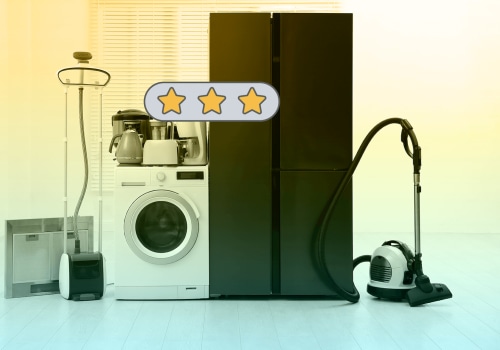
Understanding the various types of household appliances is essential for effective appliance maintenance. These appliances can be broadly categorized into several groups, each with unique functions and maintenance requirements.- Kitchen Appliances: This category includes refrigerators, ovens, microwaves, and dishwashers.
Each of these appliances plays a crucial role in food preparation and storage. For instance, refrigerators require regular cleaning of coils and checking door seals to maintain efficiency, while ovens may need periodic calibration and cleaning to ensure optimal cooking performance.
- Laundry Appliances: Washing machines and dryers fall under this category. Maintenance for these appliances often involves cleaning lint traps in dryers and ensuring that washing machines are free from mold and detergent buildup. Regular checks can prevent issues like leaks or inefficient operation.
- Heating and Cooling Appliances: This includes air conditioners and heaters.
These appliances typically require seasonal maintenance, such as changing filters and checking refrigerant levels, to ensure they operate efficiently throughout the year.
- Small Appliances: Items like toasters, blenders, and coffee makers also require attention. While they may not need as extensive maintenance as larger appliances, regular cleaning and occasional part replacements can extend their lifespan.
Maintenance Needs of Refrigerators
Maintaining your refrigerator is essential for ensuring its efficiency and longevity. Regular refrigerator maintenance not only helps in keeping your food fresh but also reduces energy consumption, ultimately saving you money on utility bills.Cleaning the Coils
One of the most critical aspects of fridge care is cleaning the condenser coils.These coils are typically located at the back or beneath the refrigerator and can accumulate dust and debris over time. When they are dirty, the refrigerator has to work harder to maintain cool temperatures, which can lead to increased energy usage and potential breakdowns. Aim to clean the coils at least twice a year using a vacuum or a coil cleaning brush.
Checking Door Seals
The door seals of your refrigerator play a vital role in maintaining its internal temperature. If these seals are damaged or dirty, cold air can escape, leading to inefficient cooling.To check the seals, perform a simple test by closing the door on a piece of paper; if you can easily pull it out, the seal may need replacing. Regularly clean the seals with warm, soapy water to ensure they remain effective.
Monitoring Temperature Settings
Another important aspect of refrigerator upkeep is monitoring the temperature settings. The ideal temperature for your refrigerator is between 35°F and 38°F (1.6°C to 3.3°C). Use a thermometer to check the internal temperature regularly, especially after power outages or if you notice any changes in food freshness.Adjusting the temperature settings as needed can help maintain optimal performance.In conclusion, regular maintenance tasks such as cleaning coils, checking door seals, and monitoring temperature settings are crucial for keeping your refrigerator running efficiently. By investing time in these simple upkeep practices, you can extend the life of your appliance and ensure that it operates at peak performance.
Maintenance Needs of Ovens
Maintaining your oven is crucial not only for its longevity but also for ensuring safe and efficient cooking. Regular oven maintenance can prevent potential hazards and improve performance.Cleaning Your Oven
One of the most important aspects of oven care is keeping it clean. Food spills and grease buildup can lead to smoke, unpleasant odors, and even fires.Here are some effective cleaning methods:
- Self-Cleaning Feature: Many modern ovens come with a self-cleaning option that heats the oven to a high temperature, turning food residue into ash that can be easily wiped away.
- Manual Cleaning: For those without a self-cleaning feature, use a mixture of baking soda and water to create a paste. Apply it to the interior surfaces, let it sit for a few hours, then scrub and wipe clean.
- Regular Wipe Downs: After each use, take a moment to wipe down the oven door and control panel to prevent buildup.
Checking Gas Lines
If you have a gas oven, regular checks of the gas lines are essential for safety. Look for any signs of leaks or damage:- Visual Inspection: Check the gas line for cracks or wear. If you notice anything unusual, contact a professional immediately.
- Soapy Water Test: Mix soap with water and apply it to the gas line connections.
If you see bubbles forming, there is a leak that needs immediate attention.
Ensuring Proper Ventilation
A well-ventilated oven helps maintain optimal cooking conditions and reduces the risk of overheating. Ensure that:- Vents are Clear: Regularly check that the oven vents are not blocked by food or debris.
- Range Hood Functionality: If your oven is part of a range, ensure that the range hood is functioning properly to help remove smoke and odors.
Comparative Analysis: Refrigerators vs. Ovens
When it comes to appliance maintenance, understanding the differences between refrigerators and ovens is crucial for homeowners.Each appliance has unique requirements that can affect their longevity and efficiency.
Maintenance Frequency
Refrigerators generally require more frequent maintenance compared to ovens. This is primarily due to their continuous operation and the need to maintain optimal temperatures for food preservation. Regular tasks include:- Cleaning the condenser coils: This should be done every 6 months to prevent overheating and ensure energy efficiency.
- Checking door seals: Inspecting and cleaning the rubber seals monthly helps maintain proper cooling.
- Defrosting: If you have a manual defrost model, this should be done as needed to prevent ice buildup.
- Cleaning the interior: A thorough clean after heavy use or at least once a month is recommended to avoid smoke and odors.
- Inspecting heating elements: Checking for wear or damage should be done periodically, especially in electric ovens.
- Calibrating temperature settings: This may be necessary every few years to ensure accurate cooking temperatures.
Complexity of Maintenance Tasks
The complexity of maintenance tasks also varies significantly between these two appliances. Refrigerator maintenance often involves more technical knowledge, especially when dealing with issues like:- Refrigerant leaks: These require professional assistance due to safety concerns.
- Electrical components: Troubleshooting electrical issues can be complex and may necessitate a technician's expertise.
Most tasks can be performed by the homeowner without specialized tools or knowledge. However, gas ovens do require caution when checking connections or igniters.In summary, while both refrigerators and ovens require regular appliance maintenance, the frequency and complexity of tasks differ significantly. Understanding these differences can help homeowners prioritize their maintenance efforts effectively, ensuring both appliances operate efficiently for years to come.
Maintenance Needs of Washing Machines and Dryers
When it comes to appliance maintenance, washing machines and dryers have unique requirements that are essential for their longevity and efficiency. Regular upkeep not only enhances performance but also prevents costly repairs down the line.Washing Machine Maintenance
To ensure your washing machine operates smoothly, consider the following maintenance tasks:- Clean the lint filter: Many washing machines come with a lint filter that should be cleaned regularly to prevent clogs and maintain optimal water flow.
- Check hoses: Inspect the water supply hoses for any signs of wear or leaks.
Replace them every five years to avoid potential flooding.
- Run a cleaning cycle: Use a washing machine cleaner or a mixture of vinegar and baking soda to run a cleaning cycle monthly. This helps eliminate odors and buildup.
- Ensure proper drainage: Make sure the drain hose is positioned correctly to prevent backflow, which can lead to water damage.
Dryer Care
Dryers also require specific attention to maintain their efficiency:- Clean the lint trap: Always clean the lint trap before each load. A clogged lint trap can significantly reduce drying efficiency and increase fire risk.
- Inspect the venting system: Check the dryer vent for blockages at least once a year. A clear vent allows for better airflow and reduces drying time.
- Level the dryer: Ensure your dryer is level to prevent excessive vibration, which can lead to mechanical issues over time.
- Schedule professional maintenance: Consider having a professional inspect your dryer annually to ensure all components are functioning correctly.
Regular attention to these details will save you time and money in the long run.
Maintenance Needs of Dishwashers
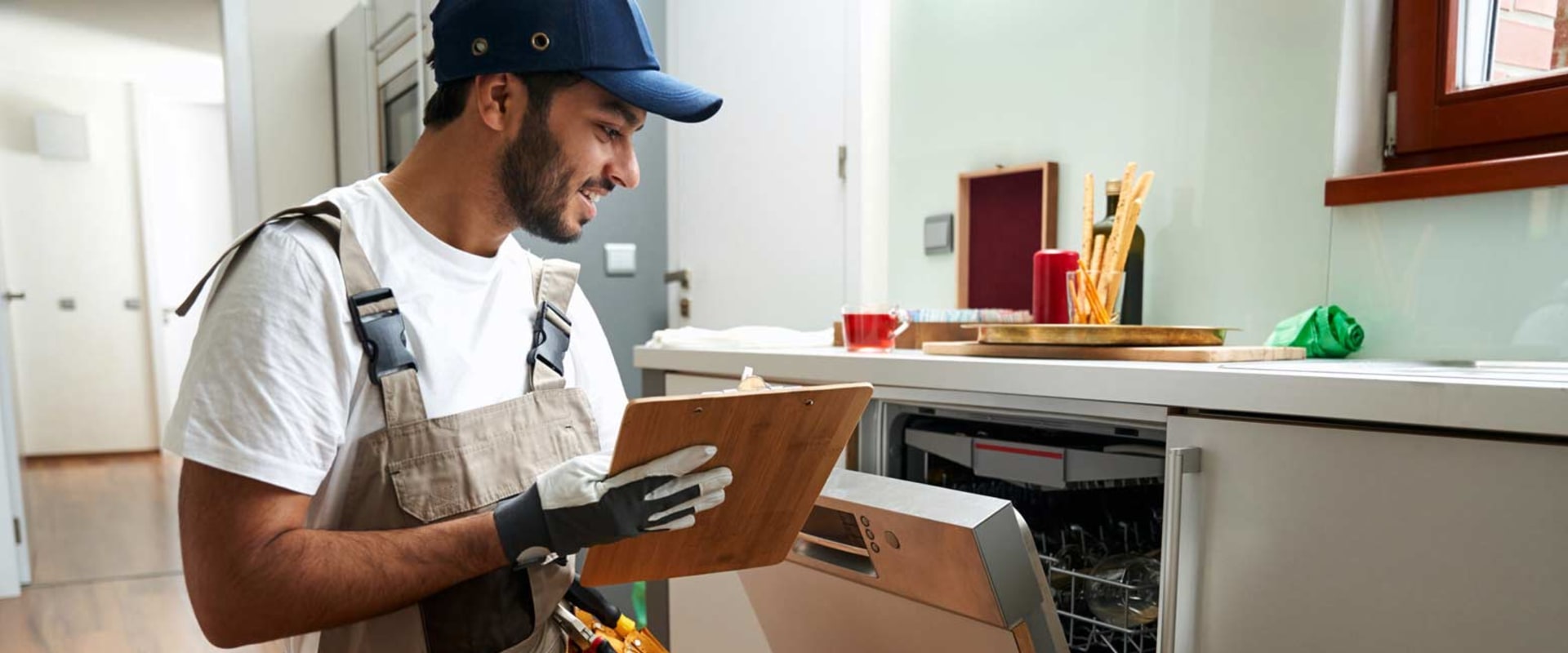
When it comes to appliance maintenance, dishwashers have specific needs that are crucial for optimal performance and longevity. Regular upkeep not only ensures that your dishwasher operates efficiently but also prevents common issues that can arise from neglect.Key Maintenance Tasks for Dishwashers
- Cleaning the Spray Arms: The spray arms are essential for distributing water during the wash cycle. Over time, food particles and mineral deposits can clog the holes. To maintain proper function, remove the spray arms and rinse them under warm water, using a soft brush to clear any blockages.
- Checking and Cleaning Filters: Most dishwashers come equipped with filters that trap food debris.
These should be cleaned regularly—ideally once a month. Remove the filter, rinse it under running water, and scrub gently with a soft brush to remove stubborn residue.
- Inspecting Door Seals: The rubber seals around the door can accumulate grime and may wear out over time. Wipe them down with a damp cloth regularly to prevent leaks and ensure a tight seal.
- Running a Cleaning Cycle: Many modern dishwashers have a self-cleaning cycle or recommend using a dishwasher cleaner. Running this cycle every few months helps eliminate odors and buildup inside the appliance.
For instance, if the spray arms are clogged, dishes may come out dirty, requiring additional washes and wasting water and energy.In summary, proper dishwasher maintenance is essential for ensuring that your appliance runs smoothly and efficiently. By incorporating these simple upkeep tasks into your routine, you can extend the life of your dishwasher and maintain its performance.
General Maintenance Tips for All Appliances
Maintaining your home appliances is crucial for ensuring their longevity and optimal performance. Here are some general appliance maintenance tips that can be applied across various types of appliances:- Regular Cleaning: Dust, dirt, and grime can accumulate on appliances, affecting their efficiency. Regularly clean the exterior and interior of your appliances according to the manufacturer's guidelines.
For example, wipe down the surfaces of your refrigerator and oven to prevent buildup.
- Check Seals and Gaskets: Inspect the seals and gaskets on refrigerators, ovens, and dishwashers. Damaged seals can lead to energy loss and inefficient operation. Replace any worn or cracked seals promptly.
- Monitor Performance: Pay attention to how your appliances operate. If you notice unusual noises, smells, or performance issues, address them immediately.
Early detection can prevent more significant problems down the line.
- Professional Servicing: Schedule regular professional maintenance for major appliances like HVAC systems, refrigerators, and washing machines. A technician can perform thorough inspections and servicing that you might not be able to do yourself.
- Follow Manufacturer Guidelines: Always refer to the user manual for specific maintenance instructions tailored to each appliance. This includes recommended cleaning methods, service intervals, and troubleshooting tips.
- Keep Vents Clear: Ensure that vents on appliances like dryers and refrigerators are not obstructed. Blocked vents can lead to overheating and reduced efficiency.
Regular upkeep not only saves you money on repairs but also contributes to a more energy-efficient home.
FAQs About Appliance Maintenance Differences
When it comes to appliance maintenance, many homeowners have questions about the differences in care required for various types of appliances. Here are some frequently asked questions that can help clarify these differences:What are the main differences in maintenance between refrigerators and ovens?
Refrigerators typically require regular cleaning of the coils and checking the door seals to ensure energy efficiency. In contrast, ovens need periodic cleaning of the interior and checking of the heating elements. While both appliances benefit from routine checks, their specific maintenance tasks differ significantly.How often should I perform maintenance on my appliances?
The frequency of appliance upkeep varies by type:- Refrigerators: Clean coils every 6 months and check seals quarterly.
- Ovens: Clean the interior every 1-3 months, depending on usage.
- Washing Machines: Run a cleaning cycle monthly and check hoses for wear.
Are there any common misconceptions about appliance maintenance?
Yes, one common misconception is that all appliances require the same level of care.In reality, each type has unique needs. For example, while many believe that all appliances should be cleaned with harsh chemicals, most manufacturers recommend using gentle cleaners to avoid damaging surfaces.
What should I do if I notice a problem with my appliance?
If you notice any irregularities, such as unusual noises or performance issues, it’s crucial to address them promptly. Ignoring these signs can lead to more significant problems down the line. Always refer to your appliance's manual for troubleshooting tips or consult a professional if needed.Understanding these differences in appliance maintenance can help you keep your home running smoothly and extend the lifespan of your appliances.Conclusion: Key Takeaways on Appliance Maintenance Needs
In summary, understanding the differences in appliance maintenance needs is crucial for ensuring the longevity and efficiency of your household devices.Each type of appliance has its own unique requirements that stem from its function and design.Refrigerators , for instance, require regular cleaning of coils and checking door seals to maintain energy efficiency. Neglecting these tasks can lead to increased energy bills and potential breakdowns. On the other hand, ovens demand a different approach. Regular cleaning of the interior and checking the heating elements are essential to prevent smoke and ensure even cooking. Additionally, gas ovens require periodic inspections for leaks, which is critical for safety.
- Regular maintenance can prevent costly repairs and extend the lifespan of your appliances.
- Different appliances have varying maintenance schedules; for example, dishwashers may need filter cleaning every month, while washing machines might only need attention every few months.
- Understanding the specific needs of each appliance helps in planning maintenance tasks effectively.
By recognizing the distinct requirements of each appliance type, homeowners can create a tailored maintenance plan that ensures all devices operate at their best.