When it comes to appliance maintenance, understanding its significance is crucial for every homeowner.
Appliance maintenance
refers to the regular care and servicing of household devices to ensure they operate efficiently and safely. This practice not only helps in prolonging the lifespan of your appliances but also enhances their performance, ultimately saving you money on repairs and energy costs. Many people underestimate the importance of appliance maintenance, often waiting for a breakdown before taking action. However, proactive maintenance can prevent unexpected failures and extend the life of your appliances significantly.Regular checks and minor adjustments can catch potential issues early, allowing you to address them before they escalate into costly repairs or replacements. Moreover, proper appliance maintenance is essential for safety. Faulty appliances can pose serious risks, including electrical hazards or fire. By understanding how to maintain your appliances effectively, you not only protect your investment but also ensure a safe living environment for you and your family. As we delve deeper into this topic, we will explore whether performing maintenance on your own is feasible or if hiring a professional is the better option.
The Benefits of DIY Appliance Maintenance
Performing appliance maintenance on your own can be a rewarding experience that offers numerous benefits.One of the most significant advantages is the potential for cost savings. Hiring a professional technician can be expensive, with service fees and parts often adding up quickly. By taking on maintenance tasks yourself, you can save money on labor costs and only pay for the necessary parts.Another benefit of DIY appliance maintenance is the convenience it provides. You can schedule your maintenance tasks at your own pace, without having to wait for a technician's availability.
This flexibility allows you to address issues as they arise, potentially preventing more significant problems down the line.Moreover, engaging in DIY maintenance can lead to a sense of satisfaction and accomplishment. Successfully repairing or maintaining an appliance not only boosts your confidence but also enhances your understanding of how your appliances work. This knowledge can empower you to tackle future issues more effectively.
Skills Needed for DIY Maintenance
While DIY appliance maintenance is accessible, it does require some basic skills and knowledge. Here are a few essential skills that can help:- Basic Handyman Skills: Familiarity with tools such as screwdrivers, wrenches, and pliers is crucial.
- Troubleshooting: The ability to diagnose problems accurately will save time and effort.
- Research Skills: Knowing how to find reliable information online or in manuals can guide you through repairs.
- Safety Awareness: Understanding safety protocols when working with electrical appliances is vital to prevent accidents.
With the right approach, DIY maintenance can be both economical and fulfilling.
Common Appliances You Can Maintain Yourself
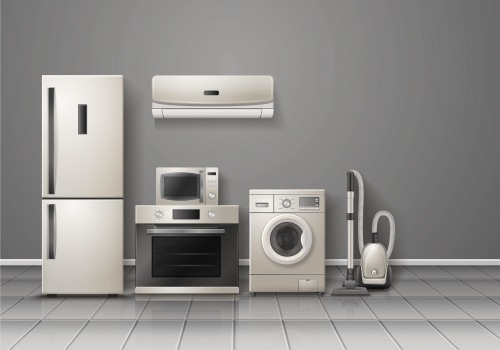
Maintaining your home appliances can save you time and money, and many common appliances are quite manageable for DIY maintenance. Here are some of the most common appliances you can maintain yourself:- Refrigerators: Regularly check the door seals for any cracks or tears, as a good seal is essential for energy efficiency. Clean the condenser coils at least twice a year to prevent overheating and ensure optimal performance.
- Washing Machines: To keep your washing machine running smoothly, clean the lint filter after every use. Additionally, run a maintenance cycle with vinegar and baking soda every few months to eliminate odors and buildup.
- Dishwashers: Check and clean the filter regularly to prevent clogs.
Wipe down the door seals and run a cycle with a dishwasher cleaner to remove any residue that may affect performance.
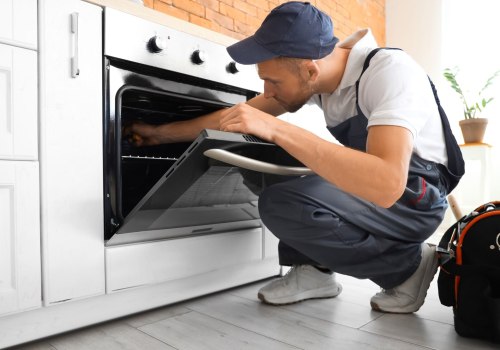
- Ovens: Regularly clean the oven interior and check the door seals. For self-cleaning ovens, follow the manufacturer's instructions to ensure safe operation.
- Microwaves: Wipe down the interior with a damp cloth regularly. For stubborn stains, use a mixture of vinegar and water to help loosen grime.
When to Hire a Professional for Appliance Maintenance
While appliance maintenance can often be a DIY task, there are specific scenarios where hiring a professional is not just advisable but necessary.Understanding when to call in an expert can save you time, money, and potential hazards.
Signs You Need a Pro
- Complex Repairs: If your appliance is experiencing issues that require disassembly or specialized tools, it’s best to consult a professional. For instance, problems with the internal components of refrigerators or washing machines often necessitate expert knowledge.
- Electrical Issues: Appliances that involve electrical components can pose serious risks if mishandled. If you notice frayed wires, frequent tripping of circuit breakers, or burning smells, it’s crucial to seek professional help immediately.
- Persistent Problems: If you’ve attempted basic troubleshooting and the issue persists, it’s a sign that the problem may be more complex than you initially thought. A professional can diagnose and fix underlying issues that may not be apparent.
Risks of DIY Maintenance
Attempting to perform appliance maintenance without adequate knowledge can lead to several risks:- Injury: Many appliances contain sharp edges or heavy components that can cause injury if not handled properly.
- Further Damage: DIY repairs can sometimes exacerbate the original problem, leading to more costly repairs down the line.
- Voided Warranties: Many manufacturers require professional servicing to maintain warranty coverage.
Attempting repairs yourself could void this protection.
Cost Comparison: DIY vs. Professional Maintenance
When considering appliance maintenance, one of the most significant factors to evaluate is the cost associated with DIY efforts versus hiring a professional. Understanding these costs can help you make an informed decision that aligns with your budget and maintenance needs.Cost of DIY Appliance Maintenance
Engaging in DIY appliance maintenance can be a cost-effective option, especially for those who are handy and willing to invest time.The primary expenses involved typically include:
- Tools and Equipment: Depending on the appliance, you may need to purchase specific tools, which can range from $20 to $200.
- Replacement Parts: If repairs are necessary, parts can vary widely in price. For example, a refrigerator compressor might cost around $150, while a washing machine belt could be as low as $10.
- Time Investment: While not a direct monetary cost, consider the value of your time. DIY projects can take several hours or even days, depending on your skill level.
Professional Appliance Repair Costs
On the other hand, hiring a professional for appliance maintenance comes with its own set of costs. Typically, you can expect to pay:- Service Call Fee: Most professionals charge a service call fee ranging from $50 to $100 just to assess the appliance.
- Labor Costs: Labor rates can vary significantly based on location and expertise, averaging between $75 and $150 per hour.
- Parts Markup: Professionals often mark up the cost of parts by 20% to 50%, which can add to your total expense.
Conversely, hiring a professional ensures expertise but at a higher price point. Ultimately, budgeting for appliance care should factor in both immediate costs and long-term savings from preventing future issues.
Safety Considerations in Appliance Maintenance
When it comes to appliance maintenance, safety should always be your top priority. Whether you are performing routine checks or attempting minor repairs, understanding the potential hazards and implementing safe practices is crucial to prevent accidents and injuries.Safety Tips for Appliance Maintenance
- Unplug Appliances: Always disconnect the appliance from the power source before starting any maintenance work. This simple step can prevent electrical shocks and ensure your safety.
- Use the Right Tools: Ensure you have the appropriate tools for the job.
Using incorrect tools can lead to accidents or damage to the appliance.
- Read the Manual: Familiarize yourself with the appliance’s user manual. It often contains important safety information and specific maintenance guidelines.
- Wear Protective Gear: Depending on the task, consider wearing gloves, goggles, or a mask to protect yourself from dust, debris, or harmful substances.
Hazards of DIY Repairs
While many homeowners are capable of handling basic appliance maintenance, there are inherent risks involved in DIY repairs. Some common hazards include:
- Electrical Risks: Working on appliances that involve electricity can be dangerous. If you are unsure about electrical components, it’s best to consult a professional.
- Gas Leaks: For gas appliances, improper handling can lead to leaks, which pose serious health risks.
Always check for leaks after any maintenance work.
- Injury from Moving Parts: Appliances often have moving parts that can cause injury if not handled correctly. Ensure all parts are stationary before beginning work.
Safe Practices in Appliance Care
To maintain a safe environment while caring for your appliances, consider these practices:
- Regular Inspections: Conduct regular inspections of your appliances to identify potential issues before they become serious problems.
- Keep Work Areas Clean: A clutter-free workspace reduces the risk of accidents. Ensure that tools and materials are organized and out of the way.
- Know Your Limits: If a repair seems too complex or risky, don’t hesitate to call a professional. It’s better to be safe than sorry when it comes to appliance maintenance.
FAQs About Appliance Maintenance
When it comes to appliance maintenance, many homeowners find themselves asking whether they can handle the tasks themselves or if they should hire a professional.Here are some frequently asked questions that can help clarify this dilemma.
1.What are the most common DIY appliance maintenance tasks?
- Cleaning filters: Regularly cleaning or replacing filters in appliances like dishwashers and dryers can significantly improve their efficiency.
- Checking seals: Inspecting door seals on refrigerators and ovens for wear and tear can prevent energy loss.
- Unclogging drains: Clearing out clogged drains in washing machines or refrigerators is often a straightforward task.
2.When should I hire a professional?
- Complex repairs: If your appliance is making unusual noises or not functioning properly, it may require specialized knowledge to diagnose and fix the issue.
- Warranty concerns: If your appliance is still under warranty, attempting DIY repairs could void it, making professional service the safer option.
- Safety issues: For appliances that involve electrical components or gas lines, hiring a professional is crucial to ensure safety and compliance with local codes.
3.What troubleshooting tips can I follow?
- Read the manual: Always refer to the user manual for troubleshooting tips specific to your appliance model.
- Check power sources: Ensure that the appliance is plugged in and that circuit breakers are not tripped.
- Look for error codes: Many modern appliances display error codes that can guide you in diagnosing issues.
Conclusion: Making the Right Choice for Your Appliance Maintenance Needs
In conclusion, determining whether to tackle appliance maintenance on your own or to hire a professional is a decision that requires careful consideration of several factors. Throughout this article, we have explored the benefits and drawbacks of both DIY maintenance and professional services, emphasizing the importance of understanding your own skills and the specific needs of your appliances.Assess Your Skills:
Before deciding on a course of action, take a moment to evaluate your own abilities. Are you comfortable with basic tools and troubleshooting? If you have experience with similar tasks, you may find that performing appliance maintenance yourself can save you money and provide a sense of accomplishment.
Consider the Complexity:
Not all appliances are created equal.
Some may require specialized knowledge or tools that are beyond the average homeowner's reach. For instance, if you're dealing with complex systems like refrigerators or HVAC units, it might be wise to consult a professional. They possess the expertise to diagnose issues accurately and perform repairs safely.
Evaluate Time and Cost:
DIY maintenance can be cost-effective, but it also demands time and effort. Consider whether you have the time to dedicate to learning about your appliance and performing the necessary tasks.
If not, hiring a professional might be the more efficient choice.
Safety First:
Always prioritize safety when considering appliance maintenance. If a task involves electrical components or gas lines, it’s best to leave it to the experts. A small mistake can lead to significant hazards.Ultimately, the right choice depends on your unique situation. By weighing your skills against the complexity of the task at hand, considering time and cost implications, and prioritizing safety, you can make an informed decision that ensures your appliances remain in optimal condition for years to come.