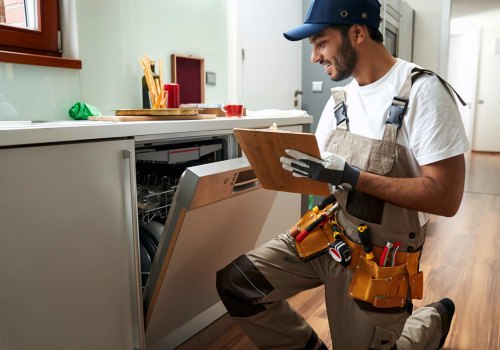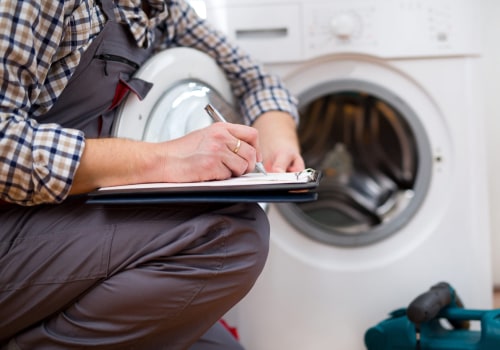
In today's fast-paced world, appliance maintenance is often overlooked, yet it plays a crucial role in ensuring the longevity and efficiency of our household devices. Regular care and attention to appliances not only enhance their performance but also prevent unexpected breakdowns that can lead to costly repairs or replacements. Understanding the importance of maintenance is essential for any homeowner who wishes to maximize their investment in these essential tools. When appliances are properly maintained, they operate more efficiently, which can lead to lower energy bills and a reduced environmental footprint. Simple tasks such as cleaning filters, checking seals, and scheduling professional inspections can significantly extend the life of your appliances.
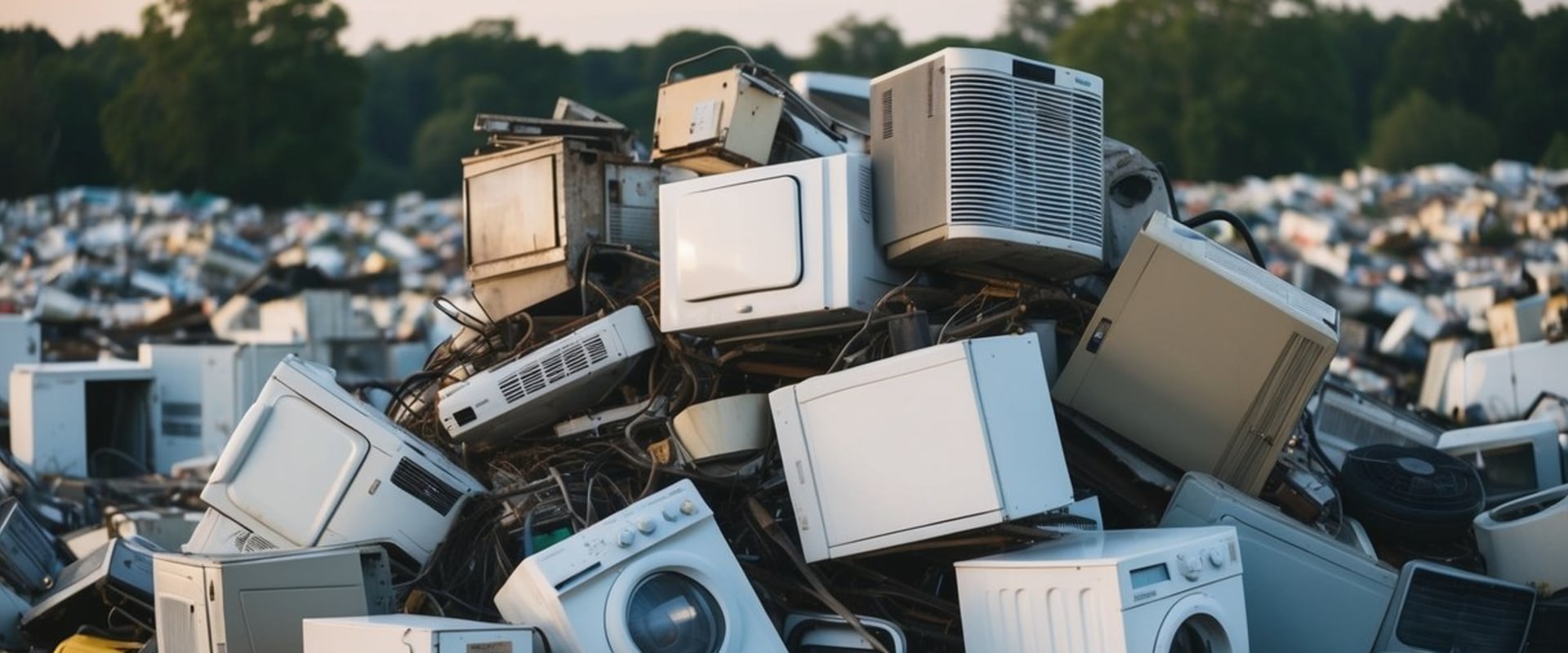
However, despite our best efforts in regular appliance care, there may come a time when an appliance simply cannot be revived. This realization can be disheartening, especially after investing time and resources into its upkeep. Recognizing when an appliance has reached the end of its functional life is just as important as maintaining it. Understanding the signs of failure and knowing how to dispose of an appliance responsibly is vital for both safety and environmental considerations. In the following sections, we will explore effective disposal methods for non-functioning appliances, ensuring that you can transition smoothly from maintenance to responsible disposal.
Signs Your Appliance Needs to Be Disposed Of
Determining when to dispose of an appliance can be challenging, especially if you have invested time and money into its maintenance.However, recognizing the signs of appliance failure is crucial to making an informed decision. Here are some key indicators that suggest it may be time to consider disposal:
- Frequent Breakdowns: If your appliance requires constant repairs, it may be more cost-effective to replace it. Regular maintenance should keep appliances running smoothly; if you find yourself calling a repair technician multiple times a year, it’s a sign that the appliance is nearing the end of its life.
- Increased Energy Bills: Appliances that are no longer functioning efficiently can lead to higher energy consumption. If you notice a significant spike in your utility bills without any changes in usage, it might be time to evaluate whether your appliance is worth keeping.
- Unusual Noises or Smells: Strange sounds or odors can indicate serious internal issues.
If your appliance starts making loud noises or emits a burning smell, it’s often a sign of impending failure and could pose safety risks.
- Age of the Appliance: Most appliances have a lifespan ranging from 10 to 15 years. If your appliance is approaching or exceeding this age, even with regular maintenance, it may be more prudent to replace it rather than continue investing in repairs.
- Incompatibility with New Technology: As technology advances, older appliances may not be compatible with new systems or energy standards. If your appliance lacks modern features that enhance efficiency or safety, consider upgrading.
By recognizing these signs early on, you can make a proactive decision about disposing of your appliance responsibly.
Safe Disposal Methods for Appliances
When it comes to disposing of an appliance that is no longer functioning, it is essential to consider safe disposal methods that not only comply with local regulations but also promote environmental sustainability. Here are some effective ways to dispose of your old appliances:- Recycling Programs: Many communities offer recycling programs specifically for appliances. These programs ensure that materials such as metals, plastics, and glass are properly processed and reused. Check with your local waste management authority to find out if they have a recycling program in place.
- Retailer Take-Back Programs: Some retailers provide take-back services when you purchase a new appliance.
This means they will handle the disposal of your old appliance responsibly, often recycling or refurbishing it.
- Donation: If your appliance is still in working condition, consider donating it to local charities or organizations. Many non-profits accept appliances and can help those in need while keeping the item out of landfills.
- Hazardous Waste Collection: Appliances that contain hazardous materials, such as refrigerators with refrigerants or old microwaves, should be disposed of through special hazardous waste collection events. These events are designed to handle materials that could be harmful to the environment.
- Professional Disposal Services: Hiring a professional junk removal service can be a convenient option. These services often specialize in appliance disposal and ensure that items are recycled or disposed of according to local laws.
Some areas may have specific guidelines on how to handle certain types of appliances, especially those containing hazardous materials. By following these safe appliance disposal methods, you can contribute to a healthier environment while responsibly managing your old appliances.
Recycling and Donating Appliances: What You Need to Know
When faced with an appliance that has outlived its usefulness, it’s essential to consider recycling or donating it instead of simply discarding it. Not only does this approach help reduce landfill waste, but it also promotes sustainability and can benefit others in your community.Recycling Appliances
- Environmental Benefits: Recycling appliances helps recover valuable materials such as metals, plastics, and glass, which can be reused in manufacturing new products. This process conserves natural resources and reduces energy consumption.
- Proper Disposal: Many appliances contain hazardous materials like refrigerants and heavy metals.
Recycling ensures these substances are handled safely, minimizing environmental harm.
- Local Programs: Check with your local waste management authority for recycling programs. Many municipalities offer special collection days or drop-off locations for old appliances.
Donating Old Appliances
- Community Support: Donating functional appliances to local charities or shelters can provide essential support to families in need. Organizations often accept working refrigerators, stoves, and washers.
- Tax Deductions: If you donate your appliance to a registered charity, you may be eligible for a tax deduction. Be sure to keep a receipt for your records.
- Condition Matters: Ensure that the appliance is in good working condition before donating.
Most organizations will not accept items that are broken or heavily worn.
Benefits of Recycling Appliances
- Sustainability: By recycling or donating your old appliances, you contribute to a circular economy where materials are reused rather than wasted.
- Community Impact: Your donation can directly improve someone else's quality of life, making a positive impact in your community.
- Convenience: Many recycling centers offer pickup services for large appliances, making the process easier for you.
Local Regulations and Guidelines for Appliance Disposal
When it comes to disposing of an appliance that is no longer functioning, understanding local regulations is crucial. Each municipality may have specific guidelines that dictate how appliances should be disposed of, especially those that contain hazardous materials.Many appliances, such as refrigerators, air conditioners, and washing machines, can contain substances like refrigerants and heavy metals that are harmful to the environment. Therefore, it is essential to follow local laws to ensure safe disposal and avoid potential fines.Researching Local Guidelines
To begin, check with your local waste management authority or visit their website.They often provide detailed information on:
- Collection Days: Many areas have designated days for bulk item pickup, including appliances.
- Drop-off Locations: Some municipalities offer specific drop-off sites for appliance disposal.
- Special Programs: Look for any recycling programs that may be available for old appliances.
Hazardous Waste Disposal
If your appliance contains hazardous materials, it may need to be taken to a special facility. Many communities have hazardous waste disposal events or permanent drop-off locations where you can safely dispose of these items. Always verify what types of appliances are accepted and any preparation steps you may need to take before dropping them off.In addition to following local regulations, consider the environmental impact of your disposal choices. Recycling your appliance not only complies with regulations but also helps reduce landfill waste and promotes sustainability.By being informed and proactive about appliance maintenance and disposal, you contribute to a healthier environment.
Frequently Asked Questions About Appliance Disposal
When it comes to appliance disposal, many homeowners have questions about the best practices and regulations involved. Here are some frequently asked questions that can help guide you through the process.What should I do with my old appliance?
Before disposing of your old appliance, consider whether it can be repaired or donated. If it’s beyond repair, you can:- Contact your local waste management service for guidelines on disposal.
- Look for recycling programs that accept appliances.
- Hire a junk removal service that specializes in appliance disposal.
Are there any regulations for disposing of appliances?
Yes, many states have specific regulations regarding the disposal of appliances, especially those containing refrigerants like refrigerators and air conditioners. It’s important to:- Check local laws to ensure compliance.
- Use certified professionals for the removal of hazardous materials.
Can I throw my appliance in the trash?
Generally, it is not advisable to simply throw appliances in the trash due to environmental concerns and local regulations.Many areas have designated collection days or drop-off locations for large items. Always verify with your local waste management authority.
How can I prepare my appliance for disposal?
To prepare your appliance for disposal:- Unplug the appliance and remove any personal items.
- If applicable, drain fluids such as water from dishwashers or refrigerators.
- Remove doors from refrigerators and freezers to prevent accidents.
Conclusion: Making Informed Decisions About Appliance Disposal
In conclusion, understanding how to properly dispose of an appliance that is no longer functioning is crucial for both environmental sustainability and personal responsibility. Throughout this article, we have explored various methods of disposal, emphasizing the importance of appliance maintenance to prolong the life of your devices. However, when maintenance is no longer effective, knowing the right steps to take can make a significant difference.First and foremost, it is essential to recognize that improper disposal can lead to harmful environmental impacts.Many appliances contain materials that can be hazardous if not handled correctly. Therefore, opting for responsible disposal methods not only protects our planet but also complies with local regulations.
- Recycling: Many components of appliances can be recycled. Check with local recycling centers to see if they accept appliances or parts.
- Donation: If the appliance is still in working condition, consider donating it to local charities or organizations that can benefit from it.
- Professional Disposal Services: Hiring a professional service ensures that your appliance is disposed of safely and in accordance with environmental laws.
By prioritizing appliance maintenance and understanding proper disposal methods, you contribute positively to your community and the environment. Remember, every small action counts towards a larger impact.