In today's fast-paced world, household appliances play a crucial role in our daily lives, making tasks more manageable and efficient. However, many homeowners overlook the importance of appliance maintenance, which is essential for ensuring that these valuable tools function optimally over time. Understanding what appliance maintenance entails is the first step toward extending the lifespan of your devices and avoiding costly repairs or replacements.
Appliance maintenance
refers to the regular care and servicing of household appliances to keep them in good working condition. This includes routine cleaning, inspections, and minor repairs that can prevent larger issues from developing.By dedicating time to maintain your appliances, you not only enhance their performance but also improve energy efficiency, which can lead to significant savings on utility bills. The significance of appliance maintenance cannot be overstated. Regular upkeep helps identify potential problems before they escalate, ensuring that your appliances operate safely and effectively. Moreover, well-maintained appliances are less likely to break down unexpectedly, providing peace of mind and convenience in your home. As we delve deeper into this topic, we will explore practical tips and strategies for maintaining various types of appliances, empowering you to take control of your household's efficiency and longevity.
The Benefits of Regular Appliance Maintenance
Regular appliance maintenance offers a multitude of benefits that can significantly enhance the longevity and performance of your household devices.By investing time and effort into maintaining your appliances, you not only ensure their optimal functionality but also enjoy several other advantages.
- Cost Savings: One of the most compelling reasons to engage in regular maintenance is the potential for substantial cost savings. Well-maintained appliances operate more efficiently, which can lead to lower energy bills. For instance, a refrigerator that is regularly cleaned and serviced will consume less electricity than one that is neglected.
- Improved Efficiency: Appliances that receive routine care tend to perform better. Regular checks can identify issues before they escalate, ensuring that your devices run smoothly.
For example, cleaning the filters in your washing machine or dishwasher can prevent clogs and improve water flow, resulting in cleaner clothes and dishes.
- Enhanced Safety: Safety is another critical aspect of appliance maintenance. Faulty appliances can pose serious risks, including electrical fires or gas leaks. Regular inspections help identify potential hazards, allowing you to address them before they become dangerous.
- Extended Lifespan: Just like any other investment, your appliances require care to last longer. Regular maintenance can significantly extend the lifespan of your devices, delaying the need for costly replacements.
Simple tasks like lubricating moving parts or checking seals can make a big difference.
Common Household Appliances and Their Maintenance Needs
Maintaining your household appliances is crucial for extending their lifespan and ensuring they operate efficiently. Here are some common appliances and their specific maintenance needs:- Refrigerators: To keep your refrigerator running smoothly, clean the coils at least twice a year.
Dust and debris can accumulate, causing the appliance to work harder. Additionally, check the door seals for any cracks or gaps; a tight seal is essential for energy efficiency.
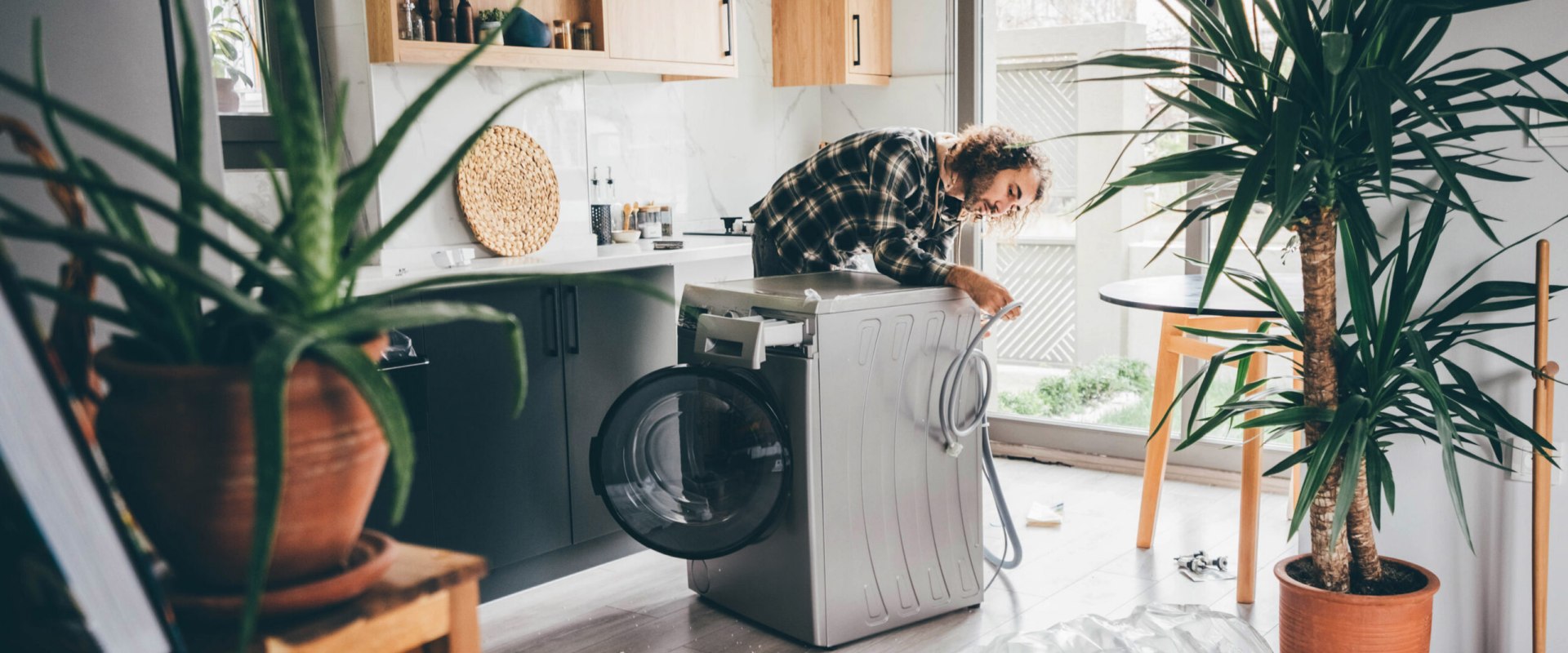
- Washing Machines: Regularly inspect the hoses for leaks or bulges, and replace them every five years to prevent water damage. It's also beneficial to run a cleaning cycle with vinegar or a specialized cleaner monthly to eliminate detergent buildup and odors.
- Dryers: Clean the lint filter after every use to improve airflow and reduce fire hazards. Additionally, consider having the dryer vent cleaned annually to prevent lint buildup, which can lead to overheating.
- Dishwashers: To maintain your dishwasher, clean the filter regularly and run a cycle with vinegar to remove mineral deposits.
Ensure that spray arms are free from obstructions for optimal cleaning performance.
- Ovens: Regularly check and clean the oven door seals to ensure they are intact. A simple wipe-down after each use can prevent buildup, while a deep clean every few months will keep it in top shape.
Seasonal Maintenance Checklist for Appliances
Maintaining your appliances is crucial for extending their lifespan and ensuring they operate efficiently. A seasonal maintenance checklist can help you stay organized and proactive in caring for your appliances throughout the year.Here’s a breakdown of essential tasks to perform each season:
Spring Maintenance
- Refrigerator: Clean the condenser coils to improve efficiency and prevent overheating.
- Washing Machine: Check hoses for wear and tear, and clean the detergent dispenser to avoid buildup.
- Air Conditioner: Replace or clean the air filter, and ensure the outdoor unit is free of debris.
Summer Maintenance
- Dishwasher: Run a cleaning cycle with vinegar to remove any lingering odors and buildup.
- Oven: Clean the oven interior and check the seals on the door for any gaps.
- Ceiling Fans: Dust blades and ensure they are rotating in the correct direction for cooling.
Fall Maintenance
- Heating System: Schedule a professional inspection and replace filters to prepare for winter.
- Refrigerator: Check the door seals for leaks that could lead to energy loss.
- Dryer: Clean the lint trap and venting system to prevent fire hazards.
winter Maintenance
- Freezer: Organize contents and check temperature settings to ensure optimal performance.
- Coffee Maker: Descale with vinegar or a commercial descaler to maintain brewing efficiency.
- Humidifier: Clean and replace filters regularly to ensure proper humidity levels in your home.
DIY vs. Professional Appliance Maintenance: When to Call an Expert
When it comes to appliance maintenance, homeowners often find themselves at a crossroads: should they tackle the upkeep themselves or call in a professional? Understanding the balance between DIY appliance maintenance and seeking expert help is crucial for extending the lifespan of your appliances.DIY Appliance Maintenance
- Regular Cleaning: Simple tasks like cleaning filters, coils, and vents can significantly improve efficiency.
For instance, vacuuming the coils of your refrigerator can prevent overheating.
- Routine Checks: Regularly inspect hoses and cords for wear and tear. A quick visual check can help you catch potential issues before they escalate.
- Basic Repairs: If you’re comfortable with tools, some minor repairs—like replacing a dishwasher door seal or changing a washing machine belt—can be done without professional help.
When to Call an Expert
While DIY maintenance can save you money and time, there are certain situations where calling a professional is the best course of action:
- Unusual Noises: If your appliance starts making strange sounds, it could indicate a serious issue. Don’t ignore these signs; they often require expert diagnosis.
- Frequent Breakdowns: If an appliance is breaking down repeatedly despite your maintenance efforts, it may be time to consult a professional to assess underlying problems.
- Complex Repairs: Tasks that involve electrical components or intricate machinery should be left to trained technicians. Attempting these repairs without proper knowledge can lead to further damage or safety hazards.
By recognizing the signs that require expert intervention, you can ensure that your appliances remain in optimal condition for years to come.
Frequently Asked Questions About Appliance Maintenance
When it comes to appliance maintenance, many homeowners have questions that can help them better care for their devices. Here are some of the most frequently asked questions:What is the best way to clean my appliances?
Cleaning methods can vary depending on the type of appliance. For example:- Refrigerators: Use a mixture of warm water and mild soap to wipe down surfaces. Avoid harsh chemicals that can damage the finish.
- Ovens: Regularly clean spills and use a self-cleaning feature if available.
For tough stains, a baking soda paste can be effective.
- Washing Machines: Run an empty cycle with vinegar to eliminate odors and residue.
How often should I perform maintenance on my appliances?
The frequency of maintenance depends on the appliance:- Refrigerators: Check seals and clean coils every six months.
- Dryers: Clean lint traps after every use and inspect vents annually.
- Dishwashers: Run a cleaning cycle monthly to prevent buildup.
Are there any signs that my appliances need maintenance?
Yes, look for these warning signs:- Noisy operation: Unusual sounds can indicate mechanical issues.
- Inefficiency: If your appliance is using more energy or water than usual, it may need servicing.
- Error codes: Many modern appliances display error codes that can guide you on necessary repairs.
Conclusion: The Key to Longevity in Your Appliances
In conclusion, appliance maintenance is not just a routine task; it is a crucial investment in the longevity and efficiency of your household devices. By implementing regular maintenance practices, you can significantly extend the lifespan of your appliances, saving both time and money in the long run.Throughout this article, we have explored various strategies to keep your appliances in optimal condition. From simple cleaning tasks to more complex inspections, each step plays a vital role in preventing breakdowns and ensuring that your appliances operate at peak performance.- Regular Cleaning: Keeping your appliances clean helps prevent buildup that can lead to malfunctions.
- Timely Repairs: Addressing minor issues promptly can prevent them from escalating into major problems.
- Professional Inspections: Scheduling periodic professional check-ups can uncover hidden issues before they become costly repairs.
For instance, refrigerators require different maintenance than washing machines. Familiarizing yourself with the manufacturer’s guidelines can provide tailored advice for each device.Ultimately, the key takeaway is that proactive appliance maintenance not only enhances performance but also contributes to energy efficiency, reducing utility bills and environmental impact. By prioritizing these practices, you ensure that your appliances serve you well for many years to come.