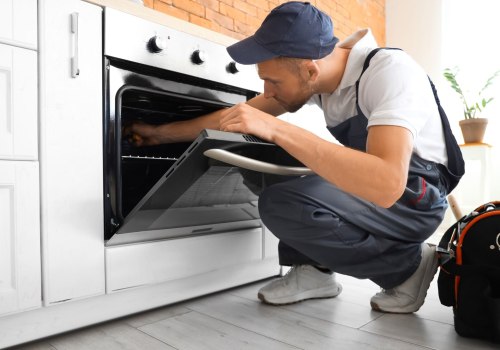
In today’s fast-paced world, appliance maintenance has become an essential aspect of household management. With the increasing reliance on various appliances—from refrigerators to washing machines—ensuring their optimal performance is crucial for both convenience and cost-effectiveness. Regular maintenance not only extends the lifespan of these devices but also enhances their efficiency, ultimately leading to significant savings on energy bills. Many homeowners often overlook the importance of routine checks and servicing, assuming that appliances will function flawlessly without intervention. However, just like any other machinery, appliances require periodic attention to prevent minor issues from escalating into costly repairs.
This is where appliance maintenance services come into play, offering professional expertise to keep your devices running smoothly. Moreover, understanding the warranties and guarantees associated with these services can provide peace of mind. Many reputable service providers offer warranties on their maintenance work, ensuring that if any issues arise shortly after service, they will be addressed without additional costs. This not only protects your investment but also reinforces the importance of choosing qualified professionals for appliance care. In summary, investing in regular appliance maintenance is not just about fixing problems as they arise; it’s about proactively safeguarding your home’s efficiency and functionality. By prioritizing these services and understanding the associated warranties, homeowners can enjoy a seamless experience with their household appliances.
What is Appliance Maintenance?
Appliance maintenance refers to the systematic process of ensuring that household appliances operate efficiently and effectively throughout their lifespan.This involves regular checks, cleaning, and repairs to prevent unexpected breakdowns and prolong the life of the appliances.
Types of Appliance Maintenance
- Preventive Maintenance: This type involves routine inspections and servicing to identify potential issues before they escalate. Tasks may include cleaning filters, checking seals, and lubricating moving parts. Preventive maintenance is typically scheduled at regular intervals, such as monthly or quarterly, depending on the appliance.
- Corrective Maintenance: This occurs after a malfunction has been detected. It involves diagnosing the problem and making necessary repairs to restore the appliance to its optimal functioning state.
Corrective maintenance can be more costly and time-consuming than preventive measures, highlighting the importance of regular upkeep.
Benefits of Regular Appliance Maintenance
- Increased Lifespan: Regular maintenance helps extend the life of appliances by addressing wear and tear before it leads to significant damage.
- Improved Efficiency: Well-maintained appliances operate more efficiently, which can lead to lower energy bills and reduced environmental impact.
- Enhanced Safety: Regular checks can identify potential safety hazards, such as electrical issues or gas leaks, ensuring a safer home environment.
- Cost Savings: By investing in routine maintenance, homeowners can avoid costly repairs and replacements that arise from neglecting appliance care.
Understanding Warranties in Appliance Maintenance Services
When it comes to appliance maintenance, understanding the role of warranties is crucial for homeowners. Warranties serve as a form of protection, ensuring that the services provided meet certain standards and that any issues arising from maintenance are addressed without additional costs.Typical Coverage
- Parts and Labor: Most warranties cover both the parts replaced during maintenance and the labor involved in the service. This means that if a technician needs to return to fix an issue related to the maintenance performed, you won’t incur extra charges.
- Specific Services: Some warranties may only cover specific types of maintenance services, such as cleaning or minor repairs.
It’s essential to read the fine print to understand what is included.
- Exclusions: Common exclusions might include damage caused by misuse or neglect, so it’s important to follow the manufacturer’s guidelines for appliance use.
Duration of Warranties
The duration of warranties can vary significantly based on the service provider and the type of maintenance performed. Typically, warranties can last anywhere from 30 days to several years. For instance, a routine maintenance service might come with a 90-day warranty, while more extensive repairs could offer coverage for up to a year.
Understanding Warranty Terms
Before agreeing to any appliance maintenance service, it’s vital to understand the terms associated with the warranty. Key aspects to consider include:
- Transferability: Some warranties are transferable if you sell your home, which can be an attractive selling point.
- Claim Process: Familiarize yourself with how to file a claim under the warranty.
Knowing this process can save you time and frustration in case issues arise.
- Renewal Options: Inquire whether there are options for extending the warranty after it expires, which can provide ongoing peace of mind.
Types of Warranties Offered by Appliance Maintenance Services
When it comes to appliance maintenance, understanding the types of warranties available can significantly impact your decision-making process. Warranties not only provide peace of mind but also protect your investment in home appliances. Here are the primary types of warranties you might encounter:- Manufacturer Warranties: These are typically included with the purchase of a new appliance.
Manufacturer warranties cover defects in materials and workmanship for a specified period, usually ranging from one to five years. It's essential to read the fine print, as these warranties often do not cover damages caused by misuse or lack of maintenance.
- Service Warranties: Also known as extended warranties or service contracts, these are offered by third-party companies or sometimes by the retailer at the time of purchase. Service warranties can cover repairs and maintenance beyond the manufacturer’s warranty period. They may include benefits such as regular maintenance checks, priority service, and coverage for parts that may not be included in the manufacturer warranty.
- Labor Warranties: Some appliance maintenance services offer labor warranties that guarantee the quality of their work for a certain period after service is performed.
This means if an issue arises due to improper installation or repair, the service provider will return to fix it at no additional cost.
Guarantees vs. Warranties: What’s the Difference?
When it comes to appliance maintenance services, understanding the difference between guarantees and warranties is crucial for consumers. Both terms are often used interchangeably, but they serve different purposes and offer distinct protections.What is a Warranty?
A warranty is a formal promise made by the service provider or manufacturer regarding the condition of the appliance after maintenance.It typically covers repairs or replacements for a specified period, ensuring that if something goes wrong due to faulty workmanship or materials, the service provider will address it at no additional cost. Warranties can vary in length and scope, so it’s essential to read the fine print.
What is a Guarantee?
A guarantee, on the other hand, is more of a commitment to customer satisfaction. It assures clients that the service will meet certain standards of quality. If the service does not meet these standards, the company may offer a refund or redo the work at no extra charge.Guarantees are often less formal than warranties and may not cover specific repairs.
Key Differences
- Scope: Warranties focus on repair and replacement, while guarantees emphasize customer satisfaction.
- Duration: Warranties have a defined time frame; guarantees may not.
- Legal Binding: Warranties are legally binding contracts; guarantees are often more informal.
What to Look for in a Warranty or Guarantee for Appliance Maintenance Services
When considering warranties or guarantees for appliance maintenance services, it’s essential to evaluate several key factors to ensure you receive the best protection for your investment. Here are some important aspects to consider:- Warranty Terms: Look for clear and concise terms that outline what is covered and what is not. A good warranty should specify the duration of coverage, typically ranging from one year to several years, depending on the service provider.
- Coverage Scope: Ensure that the warranty covers a wide range of issues related to your appliances.
This includes parts and labor for repairs, as well as any necessary replacements. Some warranties may also cover preventive maintenance services.
- Transferability: If you plan to sell your home or appliances, check if the warranty is transferable to new owners. This can add value to your property and make it more appealing to potential buyers.
- Exclusions and Limitations: Pay close attention to any exclusions or limitations in the warranty. Some warranties may not cover specific types of damage or may have restrictions based on the age of the appliance.
- Customer Support: Evaluate the level of customer support provided by the service provider.
A reliable company should offer easy access to customer service representatives who can assist with claims and inquiries.
Common Questions About Appliance Maintenance Warranties and Guarantees
When it comes to appliance maintenance, understanding the warranties and guarantees associated with these services can be crucial for homeowners. Here are some common questions that arise:- What types of warranties are typically offered? Most appliance maintenance services provide a limited warranty that covers parts and labor for a specific period after the service is completed.
This can range from 30 days to a year, depending on the company.
- Are there guarantees on the quality of service? Many reputable companies offer a satisfaction guarantee, ensuring that if you are not satisfied with the service provided, they will make it right at no additional cost.
- Do warranties cover all types of repairs? Generally, warranties cover repairs related to the maintenance service performed. However, they may not cover pre-existing issues or damages caused by misuse or neglect.
- How can I claim a warranty? To claim a warranty, you typically need to provide proof of service, such as an invoice or receipt. It's important to read the warranty terms carefully to understand the process.
- Is there a difference between warranties and guarantees? Yes, a warranty is a promise regarding the repair or replacement of parts, while a guarantee often refers to the overall satisfaction with the service provided.
Conclusion: Making Informed Decisions on Appliance Maintenance Services
In conclusion, understanding the warranties and guarantees associated with appliance maintenance services is crucial for making informed decisions.As we have discussed, these assurances not only provide peace of mind but also protect your investment in home appliances. When selecting a maintenance service, consider the following key points:
- Types of Warranties: Different services may offer varying types of warranties, such as limited warranties that cover specific parts or full warranties that encompass all aspects of the service.
- Duration: Pay attention to how long the warranty lasts. A longer warranty period often indicates confidence in the service provided.
- Coverage Details: Ensure you understand what is covered under the warranty. Some services may exclude certain types of damage or wear and tear.
- Service Guarantees: Look for companies that offer satisfaction guarantees, which can provide additional assurance that the job will be done right.
Always ask questions and clarify any doubts before committing to a service, ensuring that you are fully aware of what to expect. Ultimately, making informed decisions about appliance maintenance services will lead to better care for your appliances and a more efficient home environment.