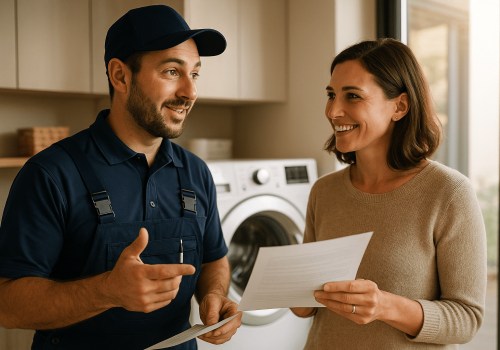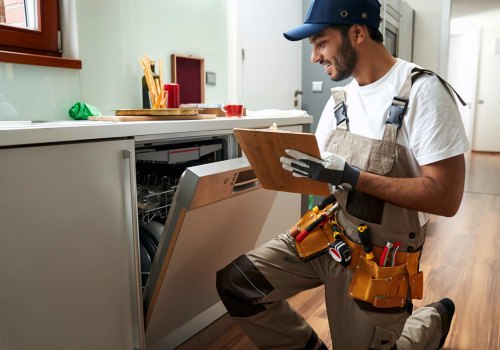
In today's fast-paced world, household appliances play a crucial role in our daily lives, making tasks more manageable and efficient. However, many homeowners overlook the significance of appliance maintenance, often leading to premature breakdowns and costly repairs. Understanding the importance of regular maintenance can not only enhance the performance of your appliances but also significantly extend their lifespan. Regular maintenance involves simple yet effective practices such as cleaning, inspecting, and servicing appliances according to manufacturer guidelines. These actions help prevent minor issues from escalating into major problems, ensuring that your appliances operate at peak efficiency.
For instance, a well-maintained refrigerator can last over a decade, while neglecting its upkeep may shorten its lifespan considerably. By investing time in appliance maintenance, homeowners can enjoy the benefits of improved energy efficiency, reduced utility bills, and enhanced safety. Moreover, understanding the average lifespan of various appliances can empower homeowners to make informed decisions about when to repair or replace them. With proper care, appliances like washing machines, dishwashers, and ovens can serve you well beyond their expected lifespan. This not only saves money but also contributes to a more sustainable lifestyle by reducing waste.
In essence, prioritizing appliance maintenance is a smart strategy for anyone looking to maximize their investment in home appliances.
Average Lifespan of Common Household Appliances
Understanding the average lifespan of appliances is essential for homeowners looking to manage their household budgets effectively. Regular appliance maintenance can significantly extend the life of these essential devices, allowing you to maximize your investment. Here’s a breakdown of the average lifespans of some common household appliances:- Refrigerators: Typically last between 10 to 20 years. Regular cleaning of coils and ensuring proper temperature settings can help maintain efficiency.
- Washing Machines: Generally have a lifespan of 10 to 15 years. Routine maintenance, such as checking hoses and cleaning filters, can prevent costly repairs.
- Ovens: Can last around 10 to 15 years.
Keeping the oven clean and checking seals regularly can enhance its longevity.
- Dishwashers: Usually last about 9 to 12 years. Regularly cleaning the filter and ensuring proper loading can improve performance and lifespan.
- Microwaves: Typically last around 5 to 10 years. Simple maintenance like keeping the interior clean can help avoid malfunctions.
Factors Affecting Appliance Lifespan
The lifespan of an appliance is influenced by a variety of factors, each playing a crucial role in determining how long the appliance will function effectively.Understanding these factors can help homeowners make informed decisions regarding appliance maintenance and replacement.
- Usage Frequency: The more often an appliance is used, the more wear and tear it experiences. For instance, a refrigerator that runs continuously will generally have a shorter lifespan than one that is used less frequently. Regular heavy use can lead to quicker degradation of components.
- Quality of the Appliance: The initial quality and brand reputation significantly impact durability. High-quality appliances are often built with better materials and technology, which can enhance their longevity.
Investing in reputable brands may yield better long-term results.
- Environmental Conditions: Appliances exposed to extreme temperatures, humidity, or dust may not last as long as those in controlled environments. For example, a washing machine located in a damp basement may be more prone to rust and corrosion compared to one in a dry laundry room.
- Maintenance Practices: Regular maintenance is essential for extending the lifespan of appliances. Simple tasks such as cleaning filters, checking seals, and scheduling professional inspections can prevent minor issues from escalating into major problems.
- Energy Efficiency: Energy-efficient appliances are designed to operate optimally while consuming less energy. This efficiency often correlates with better performance and longevity, as they are engineered to withstand prolonged use without overheating or malfunctioning.
Making informed choices not only enhances durability but also contributes to overall household efficiency.
The Role of Regular Maintenance in Extending Lifespan
Regular appliance maintenance plays a crucial role in extending the lifespan of your household devices. By adhering to a consistent maintenance schedule, you can prevent minor issues from escalating into major problems, ultimately saving you time and money.How Maintenance Affects Appliance Lifespan
Appliances are designed to last for a specific duration, but their actual lifespan can vary significantly based on how well they are maintained. For instance, a refrigerator that is regularly cleaned and serviced can last up to 15 years, while one that is neglected may only function optimally for 10 years. Regular maintenance helps in:
- Identifying Issues Early: Routine checks can catch potential problems before they become serious.
- Improving Efficiency: Well-maintained appliances operate more efficiently, which can reduce energy costs.
- Enhancing Performance: Regular upkeep ensures that appliances perform at their best, providing better results.
Benefits of Regular Maintenance
The advantages of maintaining your appliances extend beyond just longevity.
Some key benefits include:
- Cost Savings: Preventative maintenance can reduce the likelihood of costly repairs or replacements.
- Safety: Regular checks can prevent malfunctions that may pose safety hazards.
- Peace of Mind: Knowing your appliances are in good condition allows you to use them without worry.
Maintenance Tips for Appliances
To ensure your appliances remain in top condition, consider the following maintenance tips:
- Clean Filters: Regularly clean or replace filters in HVAC systems and refrigerators to maintain airflow and efficiency.
- Check Seals: Inspect door seals on refrigerators and ovens for wear and tear to prevent energy loss.
- Descale Appliances: For dishwashers and coffee makers, descaling every few months can prevent mineral buildup.
- Scheduling Professional Inspections: Consider having a professional inspect major appliances annually to catch any hidden issues.
Common Maintenance Practices for Major Appliances
Maintaining your appliances is crucial for extending their lifespan and ensuring they operate efficiently. Here are some common maintenance practices that can help you keep your major household appliances in top condition:- Regular Cleaning: Dust and debris can accumulate in and around appliances, leading to inefficiency. For example, clean the coils of your refrigerator every six months to improve energy efficiency.
- Check Seals and Gaskets: Inspect the seals on your refrigerator and oven doors regularly. A worn-out seal can lead to energy loss, making your appliances work harder than necessary.
- Descale Appliances: For appliances like coffee makers and kettles, descaling is essential to remove mineral buildup.
Use a mixture of vinegar and water every few months to keep them running smoothly.
- Inspect Hoses and Connections: For washing machines and dishwashers, check hoses for leaks or wear. Replace any damaged hoses immediately to prevent water damage.
- Change Filters: Many appliances, such as refrigerators and HVAC systems, have filters that need regular changing. Follow the manufacturer’s guidelines for how often to replace them.
How to maintain appliances
effectively involves being proactive rather than reactive.By dedicating a little time each month to appliance care, you can significantly extend their lifespan and ensure they function at their best.Incorporating these appliance care tips into your routine will help you enjoy the benefits of well-maintained appliances, ultimately leading to a more efficient home environment.
Signs Your Appliance Needs Maintenance or Replacement
Understanding the signs of appliance failure is crucial for maintaining the longevity of your household devices. Regular appliance maintenance can extend their lifespan, but there are times when you need to consider repairs or even replacement. Here are some key indicators that your appliance may need attention:- Unusual Noises: If your appliance starts making strange sounds, such as grinding, buzzing, or rattling, it could indicate a mechanical issue that requires immediate inspection.
- Increased Energy Bills: A sudden spike in your energy costs may suggest that your appliance is working harder than it should. This inefficiency can often be traced back to a lack of maintenance or an impending failure.
- Frequent Breakdowns: If you find yourself calling for repairs more often than usual, it might be time to evaluate whether it's worth investing in a new appliance instead of ongoing repairs.
- Inconsistent Performance: Appliances that fail to perform their primary functions—like a refrigerator not keeping food cold or a washing machine not spinning—are clear signs that something is wrong.
- Age of the Appliance: Most appliances have a typical lifespan.
If yours is nearing the end of its expected life and showing signs of wear, it may be more cost-effective to replace it rather than repair it.
Frequently Asked Questions About Appliance Maintenance and Lifespan
When it comes to appliance maintenance, many homeowners have questions about how to extend the lifespan of their appliances. Here are some frequently asked questions that can help clarify common concerns.How often should I perform maintenance on my appliances?
Regular maintenance is crucial for prolonging the life of your appliances. Generally, it is recommended to perform maintenance at least once a year.However, some appliances may require more frequent checks. For example, refrigerators and washing machines benefit from quarterly cleanings to prevent buildup and ensure optimal performance.
What are the signs that my appliance needs maintenance?
- Unusual noises: If your appliance starts making strange sounds, it could indicate a problem that needs attention.
- Inconsistent performance: Appliances that are not functioning as efficiently as they used to may require servicing.
- Visible wear and tear: Look for signs of rust, leaks, or other physical damage.
Can regular maintenance really extend the lifespan of my appliances?
Absolutely! Regular appliance maintenance can significantly extend the lifespan of your appliances. By addressing minor issues before they escalate into major problems, you can avoid costly repairs and replacements. For instance, cleaning the coils on your refrigerator can improve its efficiency and longevity.What are some simple maintenance tips I can follow?
- Clean filters: Regularly check and clean filters in dishwashers, dryers, and HVAC systems.
- Avoid overloading: Overloading appliances like washing machines can lead to premature wear.
- Check seals and gaskets: Ensure that seals on refrigerators and ovens are intact to maintain efficiency.
Conclusion: Maximizing Your Appliance Investment Through Maintenance
In conclusion, understanding the significance of appliance maintenance is crucial for homeowners looking to maximize their investment.Regular upkeep not only extends the lifespan of your appliances but also enhances their efficiency, ultimately saving you money on energy bills and costly repairs.Throughout this article, we have explored various aspects of appliance maintenance, including:
- Routine Inspections: Regular checks can identify potential issues before they escalate.
- Cleaning: Keeping appliances clean prevents buildup that can hinder performance.
- Professional Servicing: Engaging professionals for periodic maintenance ensures that appliances are functioning optimally.
- Understanding Lifespan: Knowing the average lifespan of your appliances helps in planning for replacements and budgeting accordingly.
By prioritizing appliance maintenance, you are not just protecting your investment; you are also contributing to a more sustainable future.In summary, the key takeaway is clear: regular maintenance is essential for maximizing the lifespan and efficiency of your household appliances. By dedicating time and resources to this practice, you ensure that your appliances serve you well for years to come.