In today's fast-paced world, appliance maintenance is often overlooked, yet it plays a crucial role in ensuring that our household devices operate efficiently and last longer. Regular care and attention to your appliances not only enhance their performance but also save you money in the long run by reducing the need for costly repairs or replacements. Understanding the importance of appliance care is the first step towards becoming a proactive homeowner. By engaging in simple DIY maintenance tasks, you can significantly improve the lifespan of your appliances. These tasks can range from cleaning filters and coils to checking seals and connections.
Not only do these actions help maintain optimal functionality, but they also contribute to energy efficiency, which can lead to lower utility bills. Moreover, taking the initiative to care for your appliances fosters a sense of ownership and responsibility, making you more aware of their needs. As we delve deeper into specific maintenance tasks, it’s essential to recognize that investing time in appliance maintenance is an investment in your home’s overall health. The benefits extend beyond just saving money; they include improved safety, enhanced performance, and a reduced environmental impact. With a little effort and knowledge, you can ensure that your appliances serve you well for years to come.
Common Household Appliances and Their Maintenance Needs
Understanding the maintenance needs of common household appliances is essential for ensuring their longevity and efficiency.Here’s a breakdown of some typical appliances and their specific maintenance requirements:
- Refrigerators: Regularly check the door seals for any cracks or tears to maintain energy efficiency. Clean the condenser coils at least twice a year to prevent overheating. Additionally, ensure that the temperature is set between 37°F and 40°F for optimal food preservation.
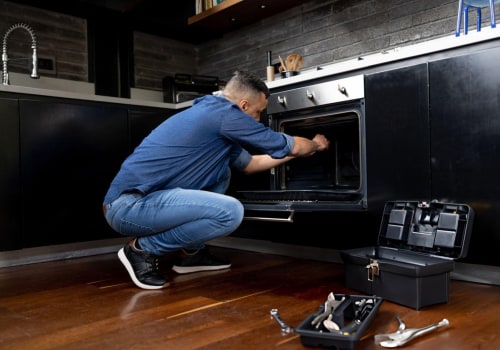
- Ovens: For both gas and electric ovens, it’s important to clean spills and food debris after each use. A deep clean should be performed every few months, using the self-cleaning feature if available or a suitable oven cleaner.
Check the heating elements for any signs of wear or damage.
- Washing Machines: To prevent mold and mildew, leave the door open after each wash to allow moisture to escape. Clean the detergent drawer and filter regularly to avoid clogs. It’s also advisable to run a hot water cycle with vinegar every few months to keep the drum fresh.
- Dryers: Clean the lint trap after every use to enhance drying efficiency and reduce fire hazards. Inspect and clean the venting system at least once a year to prevent lint buildup, which can lead to overheating.
Additionally, check the dryer drum for any foreign objects that may have been left behind.
DIY Maintenance Tasks for Refrigerators
Maintaining your refrigerator is essential for ensuring its longevity and efficiency. Here are some DIY refrigerator maintenance tasks that you can easily perform to keep your appliance running smoothly.- Cleaning Refrigerator Coils: Dust and debris can accumulate on the coils located at the back or beneath your refrigerator, hindering its ability to cool effectively. To clean the coils, unplug the refrigerator and use a vacuum cleaner with a brush attachment or a coil cleaning brush to gently remove the dust. Aim to do this every six months for optimal performance.
- Checking Door Seals: A tight seal is crucial for maintaining the internal temperature of your refrigerator.
Inspect the door seals for any cracks or tears. To test their effectiveness, close the door on a piece of paper; if you can easily pull it out, the seal may need replacing. Clean the seals with warm, soapy water to remove any grime that could affect their performance.
- Defrosting: If your refrigerator has a buildup of frost, it can reduce its efficiency. Regularly check for frost accumulation and defrost as needed.
To do this safely, unplug the unit and allow the ice to melt naturally or use a hairdryer on a low setting to speed up the process. Make sure to place towels on the floor to catch any water.
- Organizing Contents: Keeping your refrigerator organized not only helps you find items easily but also promotes better airflow. Avoid overcrowding shelves and ensure that air can circulate freely around food items.
DIY Maintenance Tasks for Ovens and Stoves
Maintaining your oven and stove is crucial for ensuring they operate efficiently and safely.Regular appliance maintenance can prevent costly repairs and enhance your cooking experience. Here are some essential DIY maintenance tasks you can perform:
Cleaning Oven Burners
One of the most important tasks is to keep your oven burners clean. Over time, food spills and grease can accumulate, affecting performance. To clean your burners:- Turn off the stove and allow it to cool completely.
- Remove the burners carefully, following your manufacturer's instructions.
- Soak them in warm, soapy water for about 15 minutes.
- Use a soft brush or cloth to scrub away any residue.
- Rinse thoroughly and let them dry before reattaching.
Checking Gas Lines
If you have a gas stove, it’s vital to check the gas lines regularly for leaks.A simple way to do this is:
- Mix a solution of soap and water.
- Apply it to the gas line connections using a sponge or cloth.
- If you see bubbles forming, there’s a leak that needs immediate attention.
Maintaining Temperature Accuracy
An oven that doesn’t heat properly can ruin meals. To ensure your oven maintains the correct temperature:- Use an oven thermometer to check accuracy.
- If the temperature is off, consider recalibrating it according to the manufacturer’s instructions.
- Regularly clean the oven interior to prevent buildup that can affect heating.
DIY Maintenance Tasks for Washers and Dryers
Maintaining your washing machine and dryer is essential for ensuring their longevity and optimal performance. Regular appliance maintenance can prevent costly repairs and enhance efficiency.Here are some key DIY maintenance tasks you can perform on your washers and dryers:
Washer Maintenance Tips
- Check and Clean Hoses: Inspect the hoses connected to your washing machine for any signs of wear or leaks. Replace them if they appear damaged. Additionally, clean the hoses regularly to prevent clogs that can lead to drainage issues.
- Clean the Drum: Run an empty cycle with hot water and a cup of white vinegar to eliminate odors and buildup inside the drum. This simple task can keep your washer smelling fresh.
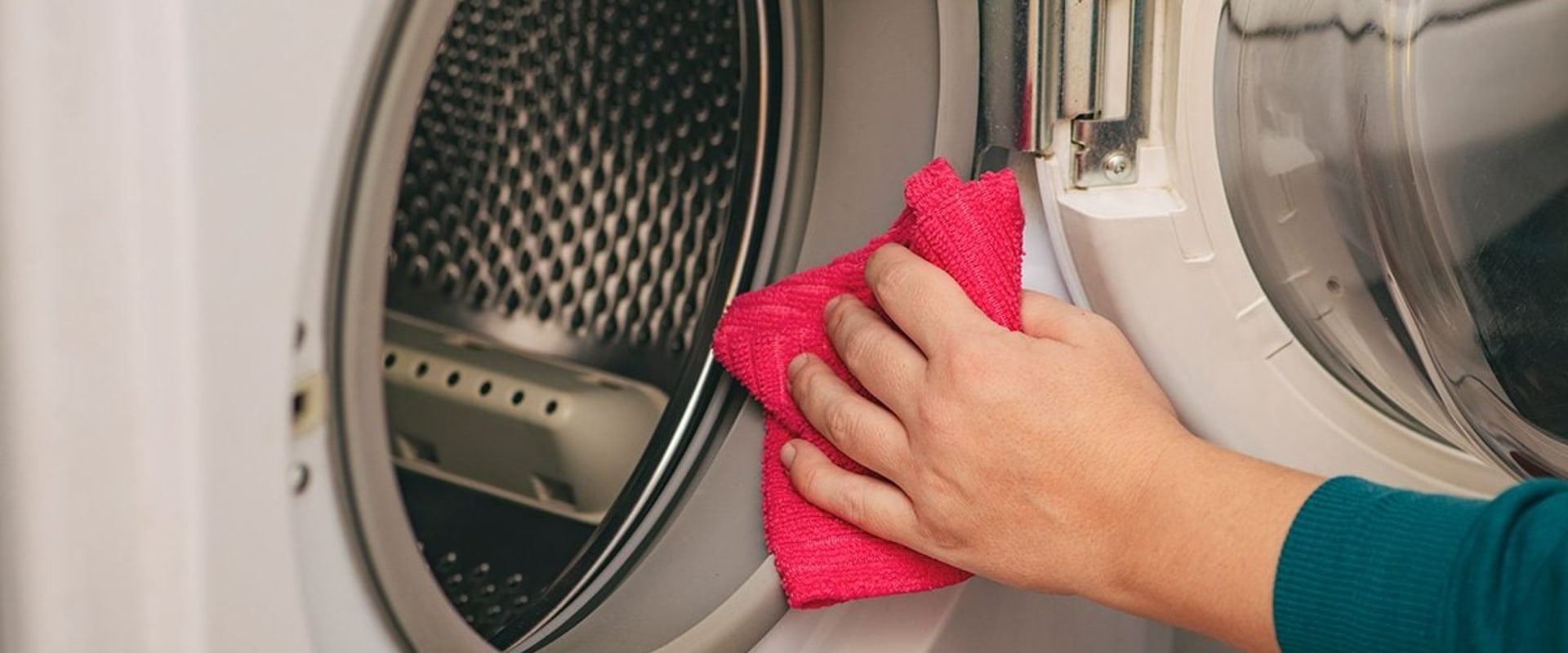
- Maintain the Gasket: Wipe down the rubber gasket around the door with a damp cloth to remove any detergent residue or mildew.
This will help prevent mold growth and ensure a proper seal.
Dryer Care Tasks
- Clean Lint Traps: Always clean the lint trap before or after each use. A clogged lint trap can reduce airflow, increase drying time, and pose a fire hazard.
- Inspect Venting System: Check the dryer vent for blockages or lint buildup at least once a year. A clear vent allows for efficient drying and reduces the risk of fire.
- Level Your Dryer: Ensure that your dryer is level to prevent excessive vibration during operation. Adjust the feet as necessary to stabilize the appliance.
Regular upkeep not only saves you money in repairs but also enhances energy efficiency, making your laundry days smoother and more efficient.
DIY Maintenance Tasks for Dishwashers
Maintaining your dishwasher is essential for ensuring it operates efficiently and lasts for years. Regular appliance maintenance can significantly enhance its cleaning performance. Here are some key DIY maintenance tasks you can perform:Cleaning Dishwasher Filters
The filter in your dishwasher plays a crucial role in trapping food particles and debris. A clogged filter can lead to poor cleaning results and unpleasant odors.To clean the filter:
- Locate the filter, usually found at the bottom of the dishwasher.
- Remove the filter by twisting or lifting it out, depending on your model.
- Rinse the filter under warm water to remove any trapped food particles.
- If necessary, use a soft brush to scrub away stubborn residue.
- Reinstall the filter securely before running a cycle.
Maintaining Spray Arms
The spray arms are responsible for distributing water throughout the dishwasher. If they become clogged, your dishes may not come out clean. To maintain the spray arms:- Check for any visible debris or buildup on the spray arms.
- Remove the spray arms according to your dishwasher's manual instructions.
- Use a toothpick or a small brush to clear any blockages from the spray holes.
- Rinse the spray arms under warm water before reattaching them.
Make these maintenance checks a part of your routine to keep your appliance running smoothly.
Safety Tips for DIY Appliance Maintenance
When it comes to DIY appliance maintenance, safety should always be your top priority. Taking the right precautions can help you avoid accidents and ensure that your appliances remain in good working condition. Here are some essential safety tips to keep in mind:- Unplug Appliances: Before starting any maintenance work, always unplug the appliance. This simple step can prevent electrical shocks and ensure that the appliance is completely powered down.
- Use Proper Tools: Make sure you have the right tools for the job.
Using inappropriate tools can lead to injuries or damage to the appliance. Invest in a good set of tools specifically designed for appliance repair.
- Read the Manual: Familiarize yourself with the appliance's user manual. It often contains important safety information and specific instructions for maintenance tasks.
- Wear Protective Gear: Depending on the task, consider wearing gloves, goggles, or a mask to protect yourself from dust, debris, or sharp edges.
- Work in a Well-Lit Area: Ensure that your workspace is well-lit to avoid accidents. Poor visibility can lead to mistakes that could harm you or damage the appliance.
- Be Mindful of Water: If you're working on appliances that use water, such as dishwashers or washing machines, be cautious of wet surfaces to prevent slips and falls.
- Know When to Call a Professional: If you encounter a problem that seems beyond your skill level, don’t hesitate to call a professional.
Attempting complex repairs without proper knowledge can lead to further damage or safety hazards.
FAQs About Appliance Maintenance
When it comes to appliance maintenance, homeowners often have a variety of questions. Here are some of the most frequently asked questions and their answers to help you keep your appliances in top shape.What are the most common appliance maintenance tasks?
- Cleaning filters: Regularly check and clean the filters in your dishwasher, washing machine, and refrigerator to ensure optimal performance.
- Checking seals: Inspect the door seals on your refrigerator and oven for wear and tear. Replacing damaged seals can improve energy efficiency.
- Descaling: For appliances like coffee makers and kettles, descaling every few months can prevent mineral buildup that affects performance.
How often should I perform maintenance on my appliances?
The frequency of appliance maintenance tasks can vary based on usage.However, a general guideline is:
- Monthly: Clean filters and inspect seals.
- Every 6 months: Deep clean your appliances, including the interior and exterior.
- Annually: Schedule a professional inspection for major appliances like HVAC systems and water heaters.
What should I do if an appliance is not working properly?
If you encounter issues with an appliance, follow these troubleshooting steps:- Check the power source: Ensure that the appliance is plugged in and that the outlet is functioning.
- Consult the manual: Refer to the user manual for specific troubleshooting tips related to your appliance model.
- Look for error codes: Many modern appliances display error codes that can help identify the problem. Research these codes online or in the manual.
Conclusion: The Importance of Regular Appliance Maintenance
In conclusion, regular appliance maintenance is essential for ensuring that your household devices operate efficiently and have a prolonged lifespan. By engaging in simple DIY tasks, you can prevent costly repairs and enhance the performance of your appliances. Throughout this article, we explored various maintenance tasks that can be easily performed at home.These include:
- Cleaning refrigerator coils: Keeping the coils free of dust and debris helps improve energy efficiency.
- Descaling your dishwasher: Regular descaling prevents mineral buildup, ensuring clean dishes and optimal performance.
- Checking and replacing filters: Whether it’s for your washing machine or air conditioner, clean filters are crucial for effective operation.
- Inspecting seals and gaskets: Ensuring that seals are intact prevents leaks and maintains energy efficiency.