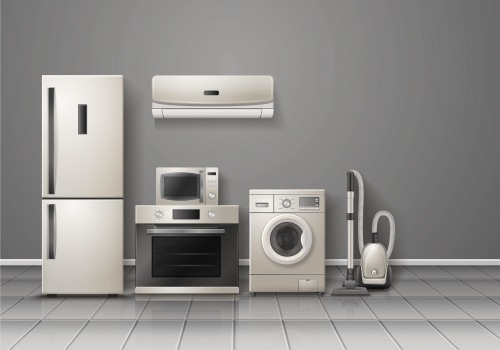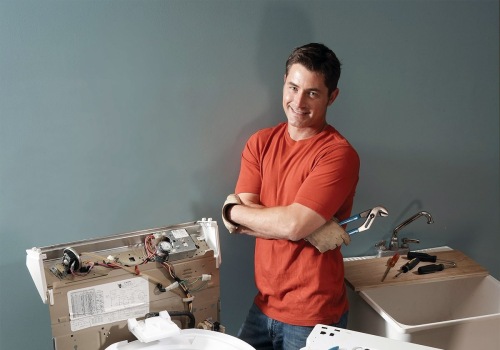
In today's fast-paced world, where energy costs are on the rise and environmental concerns are at the forefront, appliance maintenance has become a crucial aspect of home management. Understanding how to properly care for your appliances not only extends their lifespan but also significantly enhances their energy efficiency. When appliances are well-maintained, they operate more effectively, consuming less energy and ultimately saving you money on utility bills. Regular appliance upkeep involves a series of simple yet effective practices that can lead to substantial improvements in performance. For instance, cleaning filters, checking seals, and ensuring proper ventilation can prevent appliances from working harder than necessary.
This not only reduces energy consumption but also minimizes wear and tear, which can lead to costly repairs or replacements down the line. Moreover, understanding the relationship between appliance maintenance and energy efficiency empowers homeowners to make informed decisions about their energy use. By prioritizing regular checks and maintenance routines, you can create a more sustainable living environment while enjoying the benefits of lower energy costs. As we delve deeper into this topic, we will explore specific tips and strategies that can help you maintain your appliances effectively and enhance their energy efficiency.
Regular Cleaning and Maintenance Practices
Maintaining energy efficiency in your appliances is crucial for both your wallet and the environment. Regular cleaning and maintenance practices can significantly enhance the performance of your appliances, ensuring they operate at peak efficiency.Refrigerators
are one of the most energy-consuming appliances in your home.
To keep them running efficiently, clean the coils at least twice a year. Dust and debris can accumulate on the coils, making the refrigerator work harder to maintain cool temperatures. Additionally, check the door seals for any cracks or gaps; a tight seal is essential for preventing cold air from escaping.
Ovens
also require regular attention. A clean oven not only cooks food more evenly but also uses less energy.
Wipe down spills and food residues after each use, and consider using a self-cleaning feature periodically to remove built-up grime. Ensure that the oven door closes properly to maintain heat and reduce cooking times.
Washing machines
benefit from routine maintenance as well. Regularly clean the lint filter and check hoses for any signs of wear or leaks. Running a hot water cycle with vinegar can help eliminate soap scum and mineral buildup, which can hinder performance.Here are some maintenance tips to keep in mind:
- Schedule regular cleanings: Set reminders to clean your appliances based on their usage frequency.
- Inspect regularly: Look for signs of wear or damage that could affect efficiency.
- Use energy-efficient settings: Many modern appliances come with eco-friendly modes that save energy.
- Educate yourself: Read the user manual for specific maintenance recommendations tailored to each appliance.
This not only helps reduce your utility bills but also contributes to a more sustainable household.
Understanding Energy Ratings and Choosing Efficient Appliances
When it comes to appliance maintenance, understanding energy ratings is crucial for making informed decisions about which appliances to purchase. Energy ratings provide a standardized way to assess the efficiency of appliances, helping consumers choose options that will save both energy and money in the long run.Reading Energy Ratings
- Energy Star Label: Look for the Energy Star label, which indicates that the appliance meets strict energy efficiency guidelines set by the U.S. Environmental Protection Agency. Appliances with this label typically use 10-50% less energy than standard models.
- EnergyGuide Label: This yellow label provides an estimate of the appliance's annual energy consumption and operating costs.
It allows you to compare different models easily. Pay attention to the estimated yearly cost, as this can help you gauge long-term savings.
- EF Rating: For water heaters, check the Energy Factor (EF) rating, which measures the appliance's overall efficiency. A higher EF rating means better efficiency and lower energy costs.
Choosing Energy-Efficient Appliances
Selecting energy-efficient appliances is a key step in reducing your household's energy consumption. Here are some tips to consider:
- Assess Your Needs: Before purchasing, evaluate your specific needs.
Choose appliances that fit your lifestyle without excess capacity, as larger models often consume more energy.
- Research Brands: Some brands are known for their commitment to energy efficiency. Research and read reviews to find reliable manufacturers that prioritize sustainable practices.
- Consider Smart Appliances: Smart appliances can optimize energy use by adjusting settings based on your habits. They often come with features that allow you to monitor and control energy consumption remotely.
Proper Usage Habits to Enhance Efficiency
To maximize energy efficiency in your home, adopting proper usage habits for your appliances is essential.Here are some effective tips to enhance the efficiency of your household devices:
- Load Sizes Matter: For washing machines and dishwashers, always aim to run full loads. This not only conserves water but also reduces energy consumption. If you must run smaller loads, consider using the appropriate settings that cater to lighter loads.
- Temperature Settings: Set your refrigerator temperature between 35°F and 38°F for optimal performance. Keeping it too cold can waste energy, while a higher setting may compromise food safety.
- Use Energy-Saving Modes: Many modern appliances come equipped with energy-saving modes.
Make sure to utilize these features whenever possible, especially for devices like microwaves and ovens.
- Regular Maintenance: Keep appliances clean and well-maintained. For instance, regularly defrost your freezer and clean the coils of your refrigerator to ensure they operate efficiently.
- Timing is Key: Use high-energy appliances during off-peak hours when electricity rates are lower. This not only saves money but can also reduce strain on the power grid.
The Role of Smart Technology in Energy Efficiency
In today's fast-paced world, smart technology plays a pivotal role in enhancing the energy efficiency of household appliances.By integrating smart appliances into your home, you can significantly reduce energy consumption while enjoying the convenience of automation.
Smart home devices
are designed to monitor and optimize energy usage in real-time. For instance, smart thermostats can learn your heating and cooling preferences, adjusting settings automatically to maintain comfort while minimizing energy waste. This not only helps in reducing utility bills but also contributes to a more sustainable lifestyle.Another advantage of smart technology is the ability to track appliance performance through mobile applications. Many modern appliances come equipped with sensors that provide data on their energy consumption patterns.This information allows homeowners to identify which devices are using excessive energy and make informed decisions about their usage or replacement.
- Remote Control: Smart appliances can be controlled remotely via smartphone apps, enabling users to turn off devices that may have been left on accidentally.
- Scheduling: Many smart devices allow for scheduling operations during off-peak hours when energy rates are lower, further enhancing efficiency.
- Alerts and Notifications: Users receive alerts when appliances require maintenance or if they are operating inefficiently, prompting timely interventions.
Seasonal Maintenance Tips for Appliances
Maintaining energy efficiency in your appliances requires attention throughout the year. By implementing seasonal maintenance tips, you can ensure that your appliances operate at peak performance, saving you money and energy.Winter Maintenance Tips
- Check Your Heating System: Before the cold sets in, inspect your furnace or heating system.
Replace filters regularly to improve airflow and efficiency.
- Inspect Refrigerators: Ensure that the refrigerator coils are clean and free from dust. This helps maintain optimal cooling efficiency.
- Seal Drafts: Check for drafts around windows and doors that can affect your heating system's workload. Use weather stripping or caulk to seal any gaps.
Summer Maintenance Tips
- Air Conditioner Care: Clean or replace air filters monthly during peak usage. This not only improves air quality but also enhances energy efficiency.
- Check for Leaks: Inspect hoses and connections on your washing machine and dishwasher for leaks, which can waste water and energy.
- Optimize Refrigerator Temperature: Set your refrigerator to 37°F and your freezer to 0°F for optimal performance without excessive energy use.
Regular checks not only prolong the lifespan of your appliances but also contribute to significant energy savings, making appliance maintenance a crucial aspect of home care.
Common Mistakes to Avoid in Appliance Maintenance
Maintaining your appliances is crucial for ensuring their longevity and efficiency. However, many homeowners unknowingly make common mistakes that can lead to decreased performance and increased energy costs. Here are some of the most frequent errors to avoid in appliance maintenance.- Neglecting Regular Cleaning: One of the biggest mistakes is failing to clean appliances regularly. For instance, not cleaning the lint filter in your dryer can cause it to work harder, consuming more energy.
Similarly, neglecting to clean the coils on your refrigerator can lead to overheating and inefficiency.
- Ignoring Manufacturer Guidelines: Each appliance comes with specific maintenance instructions from the manufacturer. Ignoring these guidelines can result in improper care, leading to malfunctions or voided warranties. Always refer to the user manual for recommended maintenance practices.
- Overloading Appliances: Many people overload their washing machines or dishwashers, thinking it saves time and energy. However, overloading can strain the appliance, causing it to use more energy and potentially leading to breakdowns.
- Postponing Repairs: If you notice any unusual sounds or performance issues, delaying repairs can exacerbate the problem.
Small issues can escalate into major repairs that not only cost more but also reduce energy efficiency.
- Using Incorrect Settings: Many appliances have energy-saving settings that are often overlooked. For example, using the eco-mode on your dishwasher or washing machine can significantly reduce water and energy consumption.
FAQs About Appliance Maintenance and Energy Efficiency
When it comes to appliance maintenance and energy efficiency, many homeowners have questions. Here are some frequently asked questions that can help clarify common concerns:- How often should I perform maintenance on my appliances?
It is recommended to conduct maintenance on major appliances at least once a year.This includes cleaning, checking for leaks, and ensuring that all components are functioning properly.
- What are the signs that my appliance needs maintenance?
Look for unusual noises, inconsistent performance, or increased energy bills. These can be indicators that your appliance is not operating efficiently and may require attention. - Can regular maintenance really improve energy efficiency?
Absolutely! Regular maintenance helps ensure that appliances operate at peak efficiency, which can lead to lower energy consumption and reduced utility bills. - What specific maintenance tasks should I focus on?
For refrigerators, clean the coils and check door seals. For washing machines, clean the lint filter and check hoses for wear. Dishwashers benefit from cleaning the filter and checking spray arms. - Are there any DIY tips for maintaining appliances?
Yes! Simple tasks like cleaning filters, checking seals, and ensuring proper ventilation can be done by homeowners.However, for complex issues, it’s best to consult a professional.
Conclusion: Key Takeaways for Efficient Appliance Maintenance
In conclusion, maintaining energy efficiency in your appliances is not just about saving money on utility bills; it also contributes to a more sustainable environment. By implementing the tips discussed throughout this article, you can ensure that your appliances operate at their best while minimizing energy consumption.Regular Maintenance: Schedule routine check-ups for your appliances to catch any potential issues early. This includes cleaning filters, checking seals, and ensuring that all components are functioning properly.Proper Usage: Always follow the manufacturer’s guidelines for usage.Overloading washing machines or dishwashers can lead to inefficiencies and increased energy use.Energy-Efficient Models: When it’s time to replace an appliance, consider investing in energy-efficient models that are certified by ENERGY STAR or similar programs. These appliances are designed to use less energy without sacrificing performance.
- Refrigerators: Keep the coils clean and ensure the door seals are tight.
- Ovens: Use the self-cleaning feature sparingly and avoid opening the door frequently while cooking.
- Washing Machines: Use cold water settings whenever possible to save on heating costs.