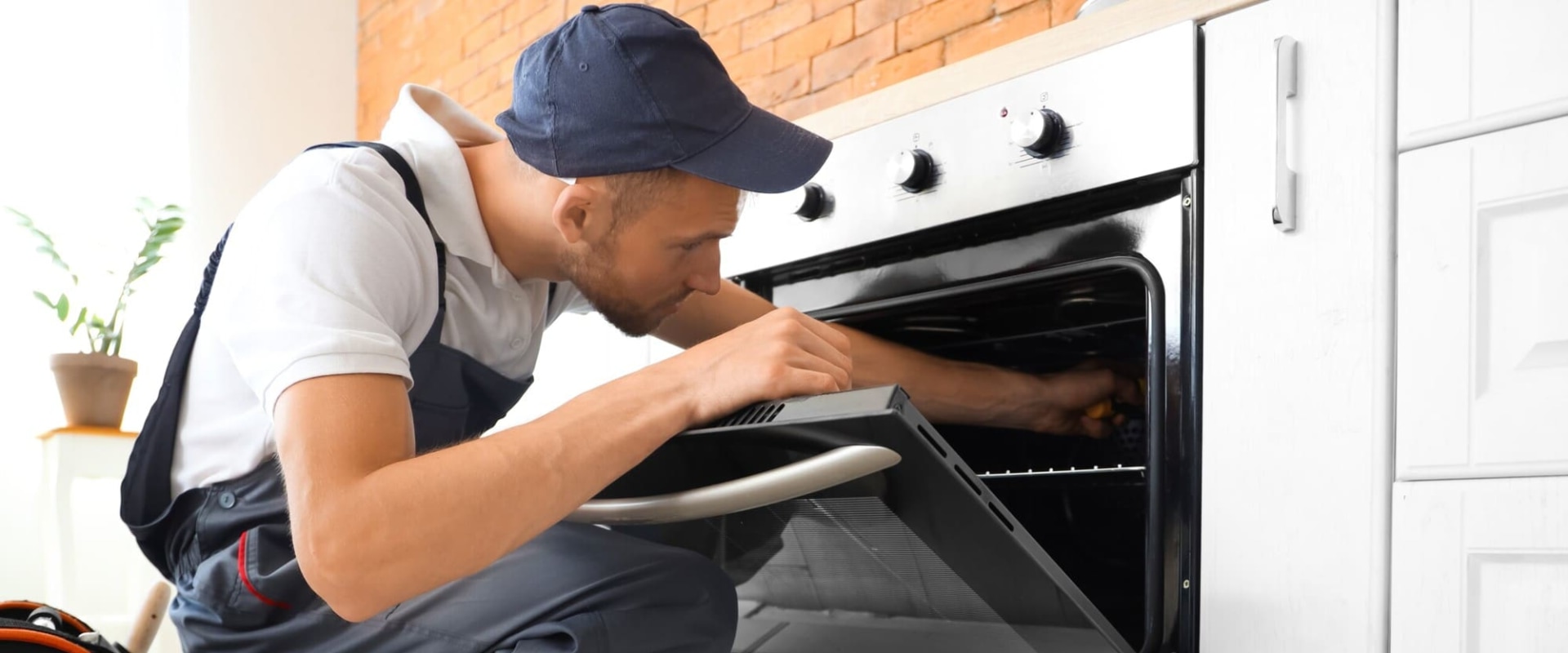
In today's fast-paced world, appliance maintenance often takes a backseat to our busy schedules. However, understanding the importance of regular maintenance can significantly impact the longevity and efficiency of your household appliances. Just like any other mechanical system, appliances require care and attention to function optimally. Neglecting this essential aspect can lead to a host of problems that not only disrupt daily life but also incur unnecessary costs. Regular appliance maintenance is crucial for preventing common issues such as breakdowns, inefficiencies, and safety hazards.
For instance, a simple task like cleaning the lint filter in your dryer can prevent fires and improve energy efficiency. Similarly, checking the seals on your refrigerator doors can help maintain optimal cooling and reduce energy bills. By investing time in routine checks and minor repairs, homeowners can avoid major malfunctions that often require costly repairs or replacements. The benefits of appliance care extend beyond just preventing issues; they also enhance the overall performance of your appliances. Well-maintained appliances operate more efficiently, saving you money on utility bills while providing better service.
Furthermore, regular maintenance can help identify potential problems before they escalate, allowing you to address them proactively rather than reactively. In essence, understanding and implementing a solid maintenance routine is not just about preserving your appliances; it's about ensuring a smoother, more efficient home environment.
Common Appliances That Require Regular Maintenance
Regular appliance maintenance is essential for ensuring the longevity and efficiency of various household appliances. Here’s a list of common appliances that require regular upkeep:- Refrigerators: Keeping the coils clean and checking door seals can prevent energy loss and food spoilage.
- Washing Machines: Regularly cleaning the drum and checking hoses for leaks can help avoid mold growth and water damage.
- Dryers: Cleaning the lint trap and venting system reduces fire hazards and improves drying efficiency.
- Dishwashers: Regularly inspecting filters and spray arms ensures optimal cleaning performance and prevents clogs.
- Ovens: Routine cleaning of the interior and checking the seals can enhance cooking efficiency and prevent smoke buildup.
- Air Conditioners: Changing filters and cleaning coils can improve air quality and reduce energy costs.
- Water Heaters: Flushing the tank annually helps prevent sediment buildup, which can affect heating efficiency.
- Monthly checks for refrigerator seals and dryer lint traps.
- Quarterly inspections of washing machine hoses and dishwasher filters.
- Annual deep cleaning of ovens, air conditioners, and water heaters.
Preventable Issues with Refrigerators
Regular appliance maintenance is crucial for ensuring that your refrigerator operates efficiently and effectively. Neglecting this essential upkeep can lead to a variety of common refrigerator problems that not only affect performance but can also increase energy costs.Cooling Problems
One of the most significant issues that can arise from poor maintenance is inadequate cooling.If your refrigerator is not maintaining the proper temperature, it can lead to spoiled food and wasted groceries. This problem often stems from:
- Dirty condenser coils: Dust and debris can accumulate on the coils, hindering their ability to dissipate heat.
- Faulty door seals: Worn or damaged seals allow cold air to escape, making it harder for the appliance to maintain its temperature.
- Blocked vents: Obstructions in the airflow can prevent cold air from circulating properly within the fridge.
Energy Inefficiency
A poorly maintained refrigerator can also lead to increased energy consumption. When components are not functioning optimally, the appliance has to work harder, resulting in higher electricity bills. To prevent this:- Regularly clean the coils: Aim to clean the condenser coils at least twice a year to ensure efficient operation.
- Check door seals: Inspect and replace any damaged seals to keep cold air inside.
- Keep the fridge organized: Avoid overloading your refrigerator, as this can block airflow and strain the cooling system.
Regular checks not only save you money on repairs but also ensure that your food stays fresh and safe for consumption.
Avoiding Problems with Washers and Dryers
Regular appliance maintenance is crucial for ensuring the longevity and efficiency of your washer and dryer. Neglecting these essential tasks can lead to a variety of common issues that not only disrupt your laundry routine but can also result in costly repairs.Common Washer and Dryer Issues
- Leaks: One of the most frequent problems with washers is leaking water, which can stem from worn-out hoses or improper connections. Regularly inspecting hoses for cracks and ensuring they are securely attached can prevent this issue.
- Malfunctions: Dryers may fail to start or stop unexpectedly due to lint buildup in the vent system. Cleaning the lint trap after every use and scheduling a thorough vent cleaning at least once a year can significantly reduce this risk.
- Unpleasant Odors: A musty smell from your washer often indicates mold growth, which can be avoided by leaving the door open after use to allow for proper drying and regularly running a cleaning cycle with vinegar.
- Noisy Operation: If your washer or dryer starts making unusual noises, it could be a sign of loose parts or worn bearings.
Regular maintenance checks can help identify these issues before they escalate.
Appliance Care Tips
- Check Hoses and Connections: Inspect hoses for wear and tear every few months, replacing them as needed to prevent leaks.
- Clean Lint Filters: Always clean the lint filter before or after each use to ensure optimal airflow and prevent overheating.
- Level Your Appliances: Ensure that your washer and dryer are level to avoid excessive vibrations that can lead to mechanical issues.
- Schedule Professional Maintenance: Consider having a professional inspect your appliances annually to catch any potential problems early.
Maintaining Ovens and Stoves for Optimal Performance
Regular appliance maintenance is crucial for ensuring that your oven and stove operate efficiently and safely. Neglecting these appliances can lead to a variety of issues that not only affect cooking performance but can also pose safety risks.Common Issues from Poor Maintenance
- Uneven Cooking: One of the most frequent problems with ovens is uneven cooking. This can occur when the heating elements are dirty or malfunctioning, leading to hot spots and cold spots in the oven. Regular cleaning and inspection of the heating elements can help maintain even heat distribution.
- Gas Leaks: For gas stoves, a lack of maintenance can result in gas leaks, which are extremely dangerous.
Regularly checking the connections and hoses for wear and tear is essential to prevent leaks that could lead to fire hazards.
- Ignition Problems: Stoves may experience ignition issues if burners are clogged with food debris or grease. Cleaning the burners regularly ensures they ignite properly, preventing frustration during meal preparation.
- Temperature Inaccuracies: Over time, ovens can lose their ability to maintain accurate temperatures. This can lead to undercooked or overcooked meals. Using an oven thermometer can help monitor temperature accuracy, while regular calibration by a professional can restore proper function.
Maintenance Tips for Ovens and Stoves
- Clean Regularly: Wipe down surfaces after each use and deep clean the oven at least once a month to prevent buildup.
- Inspect Seals: Check the door seals for any cracks or wear that could allow heat to escape, affecting cooking efficiency.
- Test Safety Features: Ensure that safety features such as automatic shut-off mechanisms are functioning correctly.
- Schedule Professional Maintenance: Consider having a professional inspect your appliances annually to catch any potential issues before they become serious problems.
The Importance of Regular Maintenance for Dishwashers
Regular appliance maintenance is crucial for ensuring that your dishwasher operates efficiently and effectively.Neglecting this maintenance can lead to a variety of common issues that not only affect performance but can also result in costly repairs.One of the most prevalent problems is clogs. Food particles, grease, and soap scum can accumulate in the filter and drain, leading to poor drainage and water pooling at the bottom of the machine. This not only hampers cleaning performance but can also cause unpleasant odors.Another issue that arises from inadequate maintenance is poor cleaning performance. Over time, spray arms can become blocked by debris, preventing water from reaching all areas of your dishes.
Regularly checking and cleaning these components ensures that your dishwasher can effectively remove food residues and stains.Additionally, neglecting to clean the door seals can lead to leaks. A compromised seal allows water to escape during cycles, which can damage your kitchen floor and lead to mold growth. Regularly inspecting and cleaning these seals helps maintain a tight fit and prevents leaks.
How to Maintain a Dishwasher:
- Clean the filter: Remove and rinse the filter monthly to prevent clogs.
- Inspect spray arms: Check for blockages and clean them regularly.
- Wipe down door seals: Use a damp cloth to clean the rubber seals around the door.
- Run a cleaning cycle: Use a dishwasher cleaner monthly to remove buildup inside the machine.
Preventing HVAC Issues Through Maintenance
Regular HVAC maintenance is essential for ensuring the longevity and efficiency of your heating, ventilation, and air conditioning systems. Neglecting this crucial aspect can lead to a variety of common HVAC problems that not only affect comfort but can also compromise indoor air quality.One of the most prevalent issues that can arise from inadequate maintenance is poor air quality.Dust, allergens, and pollutants can accumulate in the system, leading to respiratory problems for occupants. Regularly changing or cleaning air filters is a simple yet effective way to enhance air quality and ensure that your HVAC system operates efficiently.Another common problem is system failures. Without routine inspections, small issues such as refrigerant leaks or electrical malfunctions can escalate into major breakdowns. These failures often result in costly repairs and inconvenient downtime.
Scheduling annual maintenance checks allows technicians to identify and address potential issues before they become serious.
- Check and replace air filters: This should be done every 1-3 months to maintain airflow and efficiency.
- Inspect ductwork: Ensure there are no leaks or blockages that could hinder performance.
- Clean the condenser coils: Dirty coils can reduce system efficiency and increase energy costs.
- Test thermostat settings: Ensure your thermostat is functioning correctly for optimal temperature control.
Tips for Effective Appliance Maintenance
Maintaining your appliances is essential for ensuring their longevity and efficiency. Here are some practical appliance maintenance tips that can help you keep your devices in top shape:- Regular Cleaning: Dust and debris can accumulate in and around your appliances, leading to inefficiency. Make it a habit to clean the exterior and interior of your appliances regularly.
For instance, clean the coils of your refrigerator every six months to improve energy efficiency.
- Check Seals and Gaskets: Inspect the seals on your refrigerator and oven doors for any signs of wear or damage. A tight seal is crucial for maintaining temperature and preventing energy loss.
- Unclog Drains: For appliances like dishwashers and washing machines, ensure that drains are free from clogs. Regularly check and clean filters to prevent water buildup and potential leaks.
- Monitor Performance: Pay attention to any unusual noises or performance issues. If an appliance starts making strange sounds or operates less efficiently, it may be time for a deeper inspection.
Here are a few indicators that it’s time to call in the experts:
- Complex Repairs: If you encounter electrical issues or complex mechanical failures, it’s best to consult a professional technician who can safely diagnose and repair the problem.
- Frequent Breakdowns: If an appliance frequently breaks down despite regular maintenance, it may indicate a more significant underlying issue that requires expert attention.
- Lack of Knowledge: If you’re unsure about how to perform certain maintenance tasks or repairs, seeking professional help can save you time and prevent further damage.
FAQs About Appliance Maintenance
When it comes to appliance maintenance, many homeowners have questions about how to properly care for their appliances and troubleshoot common issues. Here are some frequently asked questions that can help clarify these concerns:What is the importance of regular appliance maintenance?
Regular appliance maintenance is crucial for extending the lifespan of your appliances, improving their efficiency, and preventing costly repairs. By performing routine checks and cleaning, you can identify potential problems before they escalate.How often should I perform maintenance on my appliances?
The frequency of maintenance can vary by appliance type:- Refrigerators: Clean the coils every six months and check door seals regularly.
- Washing machines: Inspect hoses for wear and clean the lint filter monthly.
- Ovens: Clean the interior and check the heating elements every few months.
What are some common signs that my appliance needs maintenance?
Look out for these warning signs:- Unusual noises or vibrations
- Increased energy bills
- Poor performance or inconsistent results
- Leaks or water pooling around the appliance
Can I perform appliance maintenance myself?
Many basic maintenance tasks can be done by homeowners, such as cleaning filters, checking seals, and inspecting hoses. However, for more complex issues or repairs, it’s advisable to consult a professional technician.What should I do if my appliance breaks down?
If an appliance breaks down, first check for simple issues like power supply or clogged filters.If the problem persists, refer to the user manual for troubleshooting tips or contact a qualified repair service.By addressing these common questions about appliance care, you can enhance your understanding and ensure your appliances remain in optimal condition.
Conclusion: The Long-Term Benefits of Regular Appliance Maintenance
In conclusion, regular appliance maintenance is not just a good practice; it is essential for ensuring the longevity and efficiency of your household appliances. By investing time and effort into routine checks and servicing, homeowners can significantly reduce the risk of unexpected breakdowns and costly repairs. Throughout this article, we have explored various common issues that can arise from neglecting appliance maintenance, such as:- Reduced Efficiency: Appliances that are not regularly maintained tend to consume more energy, leading to higher utility bills.
- Shortened Lifespan: Regular upkeep can extend the life of your appliances, saving you money in the long run.
- Safety Hazards: Faulty appliances can pose serious safety risks, including fire hazards and carbon monoxide leaks.
- Decreased Performance: Appliances that are not serviced may not function at their optimal level, affecting your daily routines.
Therefore, make it a priority to incorporate appliance maintenance into your home care routine. Your appliances—and your wallet—will thank you.