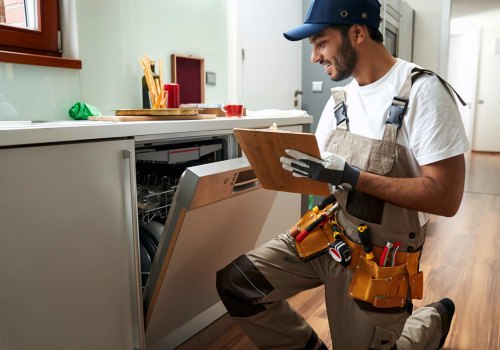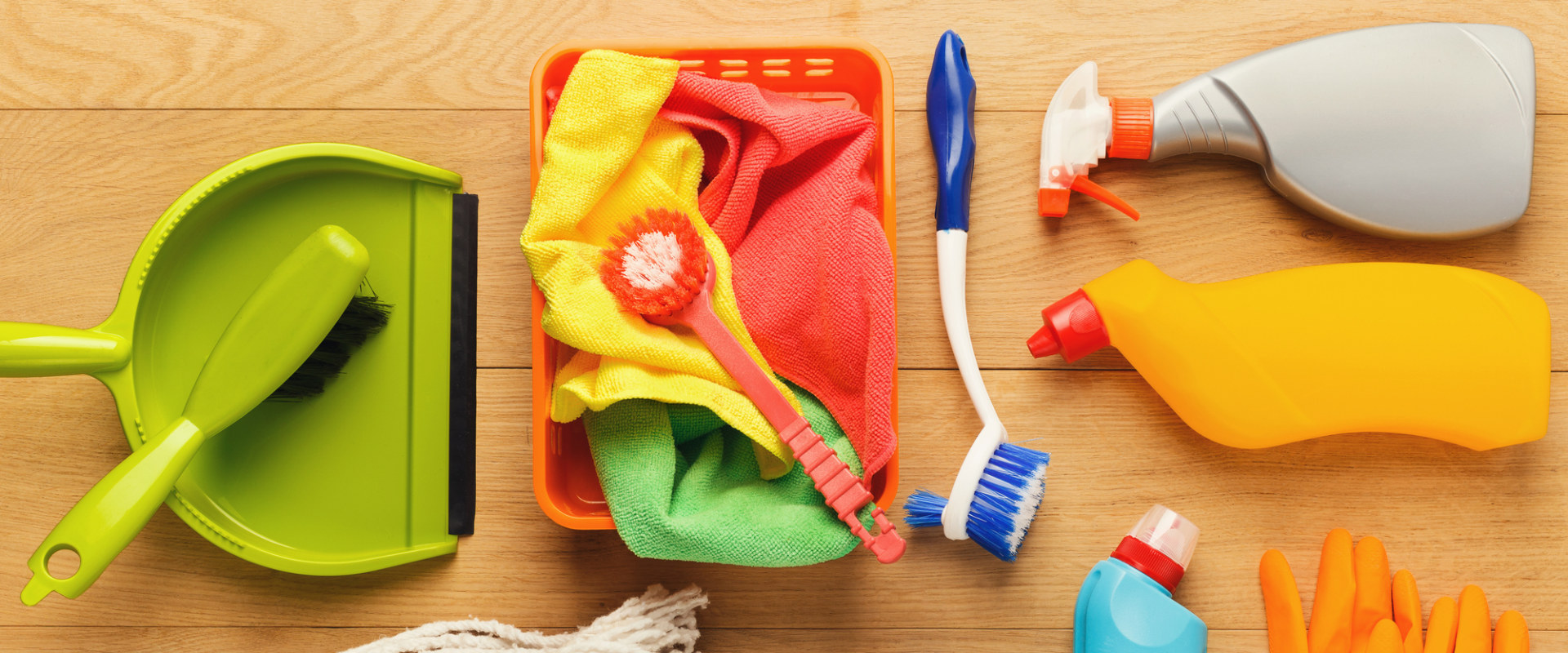
In today's fast-paced world, appliance maintenance often takes a backseat to our daily routines. However, understanding the importance of caring for your appliances can significantly impact their longevity and efficiency. Regular maintenance not only helps in preventing unexpected breakdowns but also ensures that your appliances operate at their best, saving you both time and money in the long run. When we talk about appliance care, we refer to a range of practices that include cleaning, inspecting, and servicing your devices. These practices are essential for maintaining optimal performance and can lead to numerous benefits.
For instance, a well-maintained refrigerator runs more efficiently, which can lower your energy bills. Similarly, regular cleaning of your washing machine can prevent mold buildup and ensure that your clothes come out fresh and clean. Moreover, neglecting appliance maintenance can lead to costly repairs or even the need for premature replacements. By investing a little time in routine care, you not only extend the lifespan of your appliances but also enhance their functionality. This proactive approach to appliance maintenance ultimately contributes to a more efficient home environment, allowing you to focus on what truly matters.
Common Household Appliances and Their Maintenance Needs
Maintaining your household appliances is essential for their longevity and efficiency.Different appliances have unique maintenance needs, and understanding these can help you keep them in optimal condition.
Refrigerators
Refrigerators require regular cleaning and maintenance to function effectively.Cleaning the coils
at least twice a year can improve energy efficiency. Additionally, check the door seals for any cracks or tears, as this can lead to temperature fluctuations.Ovens
For ovens, routine cleaning is crucial. Use a non-toxic oven cleaner or a mixture of baking soda and water to tackle tough stains.Regularly check the heating elements and ensure that the oven door closes properly to maintain consistent cooking temperatures.
Dishwashers
Dishwashers benefit from monthly maintenance. Clean the filter to prevent clogs and run a cycle with vinegar to eliminate odors and buildup. Inspect the spray arms for blockages to ensure proper water flow.Washing Machines
Washing machines should be cleaned every few months. Run an empty cycle with hot water and vinegar to remove detergent residue and prevent mold growth.Additionally, check hoses for leaks and ensure that the drum is balanced during use. By following these specific maintenance tips for each appliance, you can enhance their performance and extend their lifespan, ultimately saving you time and money in repairs or replacements.
Recommended Cleaning Products for Appliance Maintenance
Maintaining your appliances not only extends their lifespan but also ensures they operate efficiently. Choosing the right cleaning products is crucial for effective appliance maintenance. Here are some recommended cleaning products that are both effective and safe for various appliances.Best Cleaning Products for Appliances
- Vinegar: A natural disinfectant, vinegar is excellent for cleaning stainless steel, microwaves, and dishwashers. It effectively removes odors and stains without harsh chemicals.
- Baking Soda: This versatile product can be used to scrub surfaces in ovens and refrigerators.
It acts as a gentle abrasive that helps lift grime without scratching surfaces.
- Castile Soap: A plant-based soap that is safe for most surfaces, Castile soap can be diluted with water to clean countertops, stovetops, and even the exterior of appliances.
- Eco-Friendly All-Purpose Cleaners: Look for brands that use biodegradable ingredients. These cleaners are effective on various surfaces and are safe for the environment.
Safe Cleaning Solutions
- Hydrogen Peroxide: This is a great alternative to bleach for disinfecting surfaces in your kitchen. It’s effective against bacteria and viruses while being safe for most appliance materials.
- Citrus-Based Cleaners: Cleaners made from citrus extracts not only smell great but also cut through grease effectively. They are safe for use on most kitchen appliances.
Eco-Friendly Appliance Cleaners
- Seventh Generation: Known for its commitment to sustainability, this brand offers a range of eco-friendly cleaners that are tough on dirt but gentle on the planet.
- Method: This brand provides a variety of biodegradable cleaning products that are safe for both your appliances and the environment, making them a great choice for conscientious consumers.
Using the right products not only enhances the cleanliness of your appliances but also promotes a healthier home environment.
Effective Cleaning Methods for Different Appliances
Maintaining your appliances is crucial for their longevity and efficiency. Here are some effective cleaning methods tailored to specific appliances, complete with step-by-step instructions.1.Refrigerator Cleaning
- Empty the fridge: Remove all food items and check expiration dates.
- Remove shelves and drawers: Take out removable parts for easier cleaning.
- Prepare a cleaning solution: Mix warm water with a few drops of dish soap or use a vinegar solution (1 part vinegar to 2 parts water).
- Wipe down surfaces: Use a soft cloth or sponge to clean the interior, including walls, shelves, and drawers.
- Clean the exterior: Wipe down the outside with a damp cloth and a suitable cleaner for stainless steel if applicable.
- Replace shelves and food: Once everything is dry, put back the shelves and return food items.
2.Oven Maintenance
- Remove oven racks: Take out the racks for separate cleaning.
- Create a paste: Mix baking soda with water to form a paste for tough stains.
- Apply the paste: Spread the paste on the interior surfaces of the oven, avoiding heating elements.
- Let it sit: Allow the paste to sit for at least 12 hours or overnight for best results.
- Wipe clean: Use a damp cloth to wipe away the paste, scrubbing any stubborn spots as needed.
- Clean racks: Soak oven racks in warm soapy water, scrub, and rinse before placing them back in the oven.
3.Dishwasher Care
- Clean the filter: Remove and rinse the filter under running water to eliminate food particles.
- Add vinegar: Place a cup of white vinegar on the top rack and run a hot cycle to remove grease and odors.
- Clean spray arms: Check for clogs in the spray arms and use a toothpick to clear any debris.
DIY vs.
Professional Appliance Maintenance: When to Choose What?When it comes to appliance maintenance, homeowners often face the dilemma of whether to tackle the tasks themselves or hire a professional. Each option has its own set of advantages and disadvantages that can influence your decision.
DIY Appliance Maintenance
Engaging in DIY appliance maintenance can be a rewarding experience, allowing you to save money and gain a deeper understanding of your appliances. Here are some benefits:- Cost-Effective: Performing maintenance tasks yourself eliminates labor costs associated with hiring professionals.
- Convenience: You can schedule maintenance at your convenience, without waiting for an appointment.
- Skill Development: DIY projects can enhance your skills and confidence in handling household repairs.
- Time-Consuming: Some maintenance tasks may require significant time and effort, especially if you're unfamiliar with the process.
- Risk of Damage: Improper handling can lead to further damage, potentially resulting in costly repairs.
- Lack of Expertise: Without professional training, you might overlook critical issues that require specialized knowledge.
Professional Appliance Care Services
On the other hand, hiring professionals for appliance maintenance offers its own set of advantages:- Expertise: Professionals have the training and experience to identify and resolve issues quickly and effectively.
- Comprehensive Service: They often provide thorough inspections and maintenance that cover all aspects of appliance care.
- Warranty Protection: Many manufacturers recommend professional servicing to maintain warranty coverage on appliances.
- Cost: Professional services can be expensive, especially for routine maintenance.
- Scheduling Conflicts: You may need to work around the technician's availability, which can be inconvenient.
Ultimately, the decision between DIY and professional appliance maintenance should be based on your comfort level, the complexity of the task, and your budget.
Frequently Asked Questions About Appliance Maintenance
When it comes to appliance maintenance, many homeowners have questions about the best practices and products to use. Here are some frequently asked questions that can help you keep your appliances in top shape.What are the best cleaning products for appliances?
For most appliances, a simple mixture of vinegar and water is effective for cleaning surfaces without causing damage. Additionally, consider using:- Baking soda for scrubbing tough stains.
- Dish soap diluted in warm water for general cleaning.
- Commercial appliance cleaners specifically designed for stainless steel or glass surfaces.
How often should I clean my appliances?
The frequency of cleaning depends on the type of appliance:- Refrigerators: Clean inside every 3-6 months and wipe down the exterior weekly.
- Ovens: Clean spills after each use and perform a deep clean every few months.
- Dishwashers: Run a cleaning cycle monthly to prevent buildup.
Are there specific methods for maintaining different types of appliances?
Yes, different appliances require tailored maintenance methods:- Washing machines: Leave the door open after use to prevent mold and run a hot water cycle with vinegar monthly.
- Dryers: Clean the lint trap after every use and check the venting system regularly.
- Coffee makers: Descale every 1-3 months using a vinegar solution to keep it running smoothly.
Conclusion: Key Takeaways for Effective Appliance Maintenance
In conclusion, effective appliance maintenance is crucial for ensuring the longevity and efficiency of your household devices.By utilizing the right cleaning products and methods, you can prevent costly repairs and enhance the performance of your appliances. Here are some key takeaways to remember:
- Regular Cleaning: Establish a routine cleaning schedule for your appliances. This includes wiping down surfaces, removing debris, and checking for any signs of wear or damage.
- Use Recommended Products: Always opt for cleaning products that are specifically designed for your appliances. For instance, use vinegar and baking soda for natural cleaning, while avoiding harsh chemicals that could damage surfaces.
- Follow Manufacturer Guidelines: Each appliance comes with its own set of maintenance instructions. Adhering to these guidelines ensures that you are using the correct methods and products.
- Inspect Regularly: Regular inspections can help identify potential issues before they escalate.
Look for leaks, unusual noises, or any changes in performance.
- Professional Servicing: Don’t hesitate to call in professionals for deep cleaning or repairs when necessary. They have the expertise to handle complex issues that may arise.