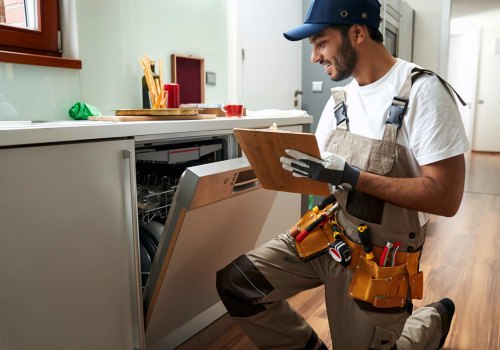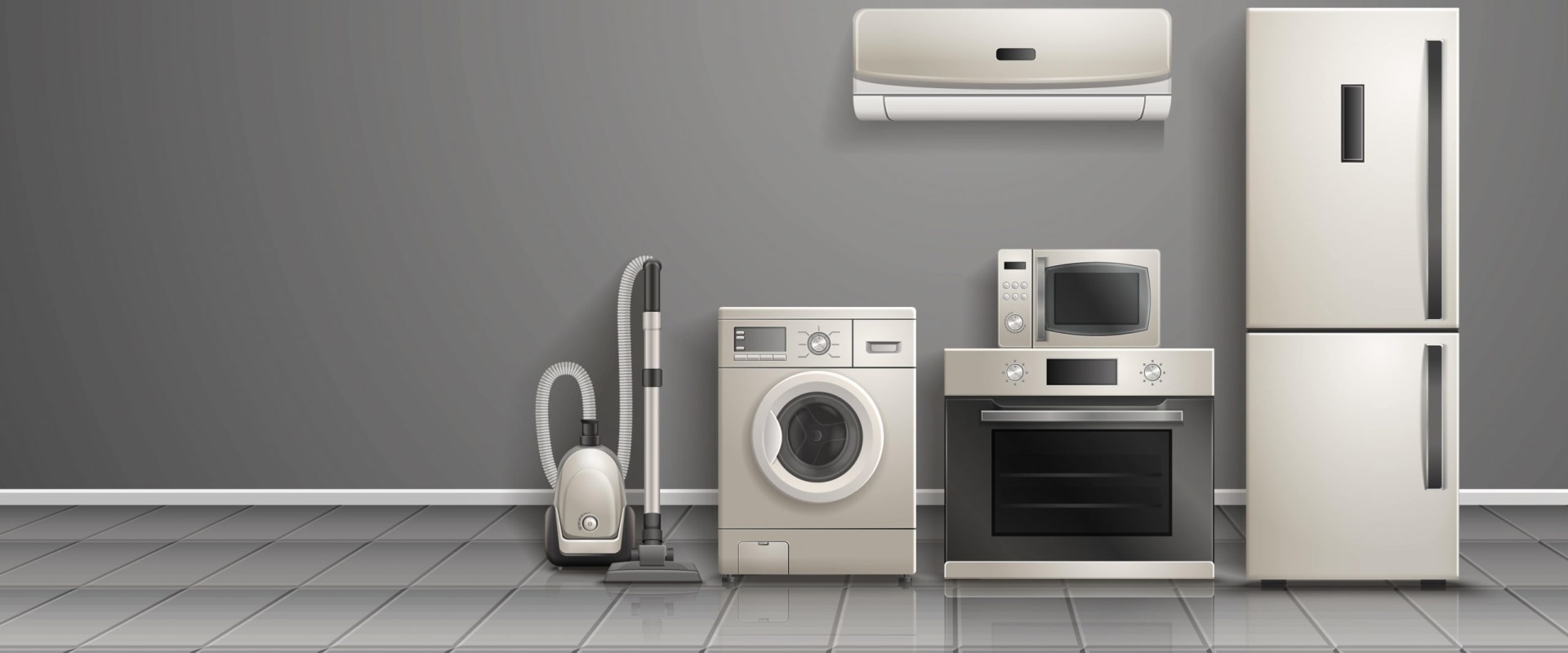
Appliance maintenance refers to the routine care and servicing of household appliances to ensure they operate efficiently and safely. This practice encompasses a variety of tasks, from simple cleaning and inspections to more complex repairs and replacements. Understanding appliance maintenance is crucial for homeowners who wish to prolong the lifespan of their devices while minimizing the risk of unexpected breakdowns. The importance of appliance maintenance cannot be overstated. Regular upkeep not only enhances the performance of appliances but also contributes to energy efficiency, which can lead to significant savings on utility bills.
For instance, a well-maintained refrigerator uses less energy than one that is neglected, as dust and debris can hinder its cooling capabilities. Furthermore, routine checks can identify potential issues before they escalate into costly repairs or replacements. In addition to financial benefits, regular maintenance promotes safety within the home. Appliances that are not properly maintained can pose hazards, such as electrical fires or gas leaks. By investing time in appliance maintenance, homeowners can create a safer living environment for themselves and their families.
As we delve deeper into the specific benefits of maintaining your appliances, it becomes clear that this practice is not merely a chore but a vital component of responsible homeownership.
Cost Savings Through Regular Maintenance
Regular appliance maintenance is not just about keeping your appliances in good working order; it also plays a crucial role in achieving significant cost savings. By investing time and resources into routine checks and servicing, homeowners can prevent minor issues from escalating into major repairs that can be financially burdensome.One of the primary ways regular maintenance leads to cost savings is by reducing repair costs. Appliances that are well-maintained are less likely to break down unexpectedly. For instance, a simple cleaning of the refrigerator coils can prevent the compressor from overworking, which is a common cause of failure.By addressing these small issues before they become serious problems, homeowners can save hundreds, if not thousands, of dollars in repair bills.Additionally, regular maintenance enhances the energy efficiency of appliances. Appliances that are not properly maintained often consume more energy than necessary, leading to higher utility bills. For example, a washing machine with clogged filters or a dryer with lint buildup will require more energy to operate effectively. By ensuring that these appliances are clean and functioning optimally, homeowners can enjoy lower energy costs.
- Preventive Maintenance: Regular checks can identify potential issues early.
- Improved Efficiency: Well-maintained appliances use less energy.
- Extended Lifespan: Routine care prolongs the life of your appliances.
By prioritizing maintenance, homeowners can achieve substantial cost savings, reduce repair costs, and enhance the energy efficiency of their appliances, ultimately leading to a more sustainable and economical household.
Extending the Lifespan of Appliances
Regular appliance maintenance plays a crucial role in extending the lifespan of your household devices. By investing time and effort into routine checks and servicing, you can significantly enhance the longevity of appliances, ensuring they operate efficiently for years to come.One of the primary benefits of consistent maintenance is the prevention of minor issues from escalating into major problems. For instance, cleaning the filters in your refrigerator or washing machine can prevent clogs that might otherwise lead to costly repairs or replacements. Similarly, checking seals and gaskets can help maintain energy efficiency, reducing wear and tear on components.- Improved Efficiency: Well-maintained appliances run more efficiently, which not only saves energy but also reduces operational strain on the appliance itself.
- Cost Savings: By avoiding major repairs or premature replacements, regular maintenance can lead to significant savings over time.
- Sustainability: Extending the life of your appliances contributes to environmental sustainability by reducing waste and the demand for new products.
Following these guidelines not only ensures optimal performance but also helps maintain any warranties that may be in place. This proactive approach fosters a sense of responsibility towards your appliances, encouraging you to treat them with care.In conclusion, prioritizing appliance maintenance is an investment in both your home and the environment. By taking steps to ensure your appliances are well cared for, you can enjoy their benefits for a longer period while also contributing to a more sustainable future.
Improving Appliance Efficiency
Regular appliance maintenance plays a crucial role in enhancing the overall efficiency of your household devices. By ensuring that appliances are functioning optimally, you can significantly improve their performance and reduce energy consumption.One of the primary benefits of routine maintenance is the prevention of minor issues from escalating into major problems.For instance, a refrigerator that is not regularly cleaned can accumulate dust and debris in its coils, leading to inefficient cooling. This inefficiency forces the appliance to work harder, consuming more energy and increasing your utility bills.
Key Ways Maintenance Improves Appliance Efficiency
- Regular Cleaning: Keeping appliances clean, such as washing machine filters and dishwasher spray arms, ensures they operate at peak performance.
- Timely Repairs: Addressing small repairs promptly prevents further damage and maintains efficiency.
- Calibration: Some appliances require periodic calibration to ensure they are operating within optimal parameters, which can lead to better energy use.
By adopting a proactive approach to maintenance, homeowners can enjoy lower energy bills and enhanced appliance longevity, ultimately leading to a more efficient and sustainable home environment.
Safety Benefits of Regular Maintenance
Regular appliance maintenance is crucial not only for the longevity of your devices but also for ensuring the safety of your home and family. Malfunctioning appliances can pose serious risks, leading to accidents and health hazards that can be easily prevented with routine checks and servicing.Preventing Accidents
- Electrical Fires: Appliances that are not properly maintained can develop electrical faults, which may lead to fires. Regular inspections can identify frayed wires or faulty connections before they become a serious threat.
- Gas Leaks: For gas-powered appliances, such as stoves and water heaters, regular maintenance is essential to detect leaks. A small gas leak can lead to explosions or carbon monoxide poisoning, making it vital to ensure these appliances are functioning correctly.
- Slips and Falls: Appliances like dishwashers and washing machines can cause water leaks if not maintained.
These leaks can create slippery surfaces, increasing the risk of falls in your home.
Health Risks from Appliances
- Mold Growth: Appliances that are not regularly cleaned, such as refrigerators and air conditioners, can become breeding grounds for mold and bacteria. This can lead to respiratory issues and other health problems for your family.
- Contaminated Food: A malfunctioning refrigerator may not keep food at safe temperatures, leading to spoilage and foodborne illnesses. Regular maintenance ensures that your appliances are operating efficiently and safely.
- Pest Infestations: Broken appliances can attract pests like rodents and insects. Regular checks help prevent these infestations by ensuring that all appliances are sealed and functioning properly.
By preventing accidents and minimizing health risks associated with malfunctioning devices, you create a safer living environment for you and your loved ones.
Environmental Impact of Well-Maintained Appliances
Regular appliance maintenance plays a crucial role in promoting environmental sustainability. By ensuring that appliances operate efficiently, we can significantly reduce energy consumption and minimize our carbon footprint. When appliances are well-maintained, they use less energy to perform the same tasks, which not only saves money on utility bills but also decreases the demand for energy production, often derived from fossil fuels.Moreover, eco-friendly appliances are designed to be more efficient, but their effectiveness can diminish over time without proper care. Regular maintenance helps keep these appliances running at peak performance, ensuring that they continue to meet energy efficiency standards.This is particularly important as many households transition to using energy-efficient models that are designed to consume less power.Another significant benefit of regular maintenance is the reduction of waste. Appliances that are neglected often break down prematurely, leading to unnecessary replacements. This not only contributes to landfill waste but also increases the demand for new products, which require resources for manufacturing and transportation. By extending the lifespan of existing appliances through routine checks and repairs, we can effectively reduce the amount of waste generated.
- Energy Efficiency: Well-maintained appliances consume less energy.
- Reduced Waste: Regular upkeep prolongs appliance life, minimizing landfill contributions.
- Resource Conservation: Fewer replacements mean less demand for raw materials.
By adopting eco-friendly practices and ensuring our appliances are in good working order, we can collectively make a positive impact on our planet.
Common Maintenance Tips for Homeowners
Regular appliance maintenance is essential for ensuring the longevity and efficiency of your home appliances. Here are some practical tips that homeowners can implement to keep their appliances in top shape:- Refrigerator: Clean the coils at least twice a year. Dust and debris can accumulate, causing the appliance to work harder and consume more energy. Additionally, check the door seals for any gaps that could lead to air leaks.
- Washing Machine: Inspect hoses for any signs of wear or leaks every few months.
Replace them if they appear cracked or frayed. Also, run a cleaning cycle with vinegar or a specialized cleaner to prevent mold buildup.
- Dryer: Clean the lint trap after every use and check the venting system regularly to ensure it’s not blocked. This not only improves efficiency but also reduces fire hazards.
- Oven: Regularly check and clean the oven door seal to ensure it’s intact. A damaged seal can lead to heat loss, making your oven less efficient.
- Dishwasher: Clean the filter monthly and run a cycle with vinegar to remove any buildup of grease and grime.
This helps maintain optimal performance.
FAQs About Appliance Maintenance
When it comes to appliance maintenance, many homeowners have questions about the best practices and common concerns. Here are some frequently asked questions that can help clarify the importance of regular maintenance:- What is appliance maintenance?
Appliance maintenance refers to the routine care and servicing of household appliances to ensure they operate efficiently and last longer.This includes cleaning, inspecting, and repairing appliances as needed.
- How often should I perform maintenance on my appliances?
It is recommended to conduct maintenance checks at least once a year for major appliances like refrigerators, ovens, and washing machines. However, some appliances may require more frequent attention based on usage. - What are the signs that my appliance needs maintenance?
Common signs include unusual noises, decreased performance, leaks, or error messages. If you notice any of these issues, it’s wise to schedule a maintenance check. - Can I perform appliance maintenance myself?
Many basic maintenance tasks can be done by homeowners, such as cleaning filters or checking hoses. However, for complex issues or repairs, it’s best to consult a professional. - What are the benefits of regular appliance maintenance?
Regular maintenance can lead to improved efficiency, reduced energy costs, and a longer lifespan for your appliances.It also helps prevent unexpected breakdowns that can disrupt your daily routine.
Conclusion: The Importance of Regular Appliance Maintenance
In conclusion, the significance of regular appliance maintenance cannot be overstated. Homeowners who prioritize this practice not only enhance the longevity of their appliances but also enjoy a range of other benefits that contribute to a more efficient and cost-effective home environment. One of the most compelling advantages is the potential for cost savings. By investing time and resources into routine maintenance, homeowners can prevent minor issues from escalating into major repairs, which often come with hefty price tags. Regular checks can identify wear and tear early, allowing for timely interventions that save money in the long run. Additionally, energy efficiency is a crucial benefit of maintaining appliances.Well-maintained appliances operate more efficiently, consuming less energy and reducing utility bills. This not only benefits the homeowner's wallet but also contributes to a more sustainable household by lowering overall energy consumption. Moreover, regular maintenance enhances safety. Appliances that are not properly maintained can pose risks such as electrical fires or gas leaks. By ensuring that appliances are in good working order, homeowners can protect their families and property from potential hazards. Finally, consistent maintenance can improve the performance of appliances.
When appliances are clean and functioning optimally, they deliver better results—whether it’s a washing machine that cleans clothes more effectively or a refrigerator that keeps food fresher for longer. In summary, embracing a routine of regular appliance maintenance is an investment in both the functionality and safety of your home. By taking proactive steps to care for your appliances, you ensure they serve you well for years to come, making it a wise choice for any homeowner.