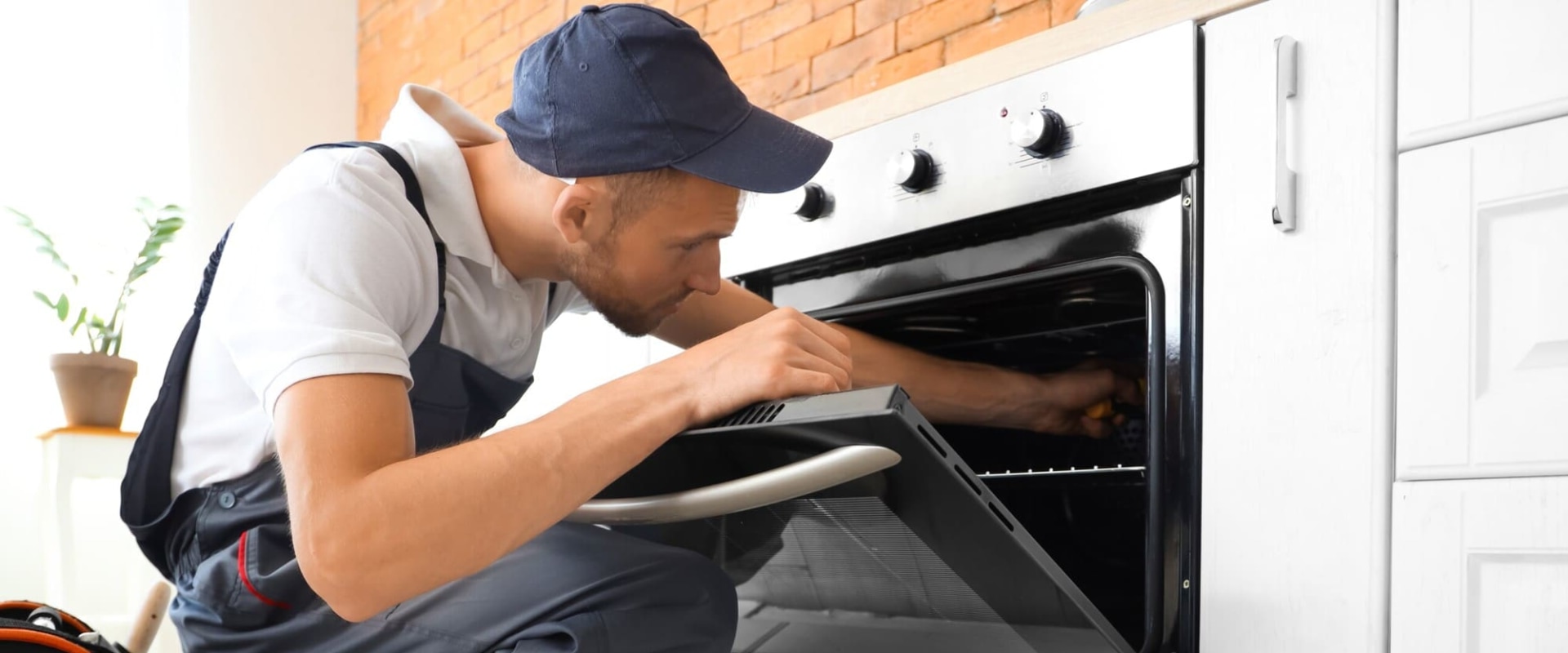
Appliance maintenance is a crucial aspect of homeownership that often goes overlooked. Regular upkeep not only extends the lifespan of your appliances but also ensures they operate efficiently, saving you money on energy bills and preventing costly repairs. Understanding the importance of appliance maintenance is essential for any homeowner who wants to maintain a safe and functional living environment. However, while performing maintenance tasks, safety should always be a top priority. Many household appliances operate using electricity or gas, which can pose significant risks if not handled properly.
From refrigerators to washing machines, each appliance has its own set of maintenance requirements and potential hazards. Therefore, it is vital to familiarize yourself with the specific safety precautions associated with each appliance before diving into any maintenance work. In this article, we will explore various safety measures that should be taken when performing appliance maintenance. By understanding these precautions, you can protect yourself and your family from accidents and ensure that your appliances remain in optimal condition. Whether you are a seasoned DIY enthusiast or a novice homeowner, prioritizing safety during appliance maintenance is key to achieving successful outcomes.
General Safety Precautions Before Starting Maintenance
Before diving into appliance maintenance, it’s crucial to prioritize safety to prevent accidents and injuries.Here are some essential general safety precautions to consider:
- Unplug Appliances: Always disconnect the appliance from the power source before starting any maintenance work. This simple step can prevent electrical shocks and ensure that the appliance is completely inactive.
- Use Protective Gear: Equip yourself with appropriate protective gear such as gloves, safety goggles, and masks. This is especially important when dealing with sharp edges or hazardous materials, like cleaning agents.
- Work in a Well-Ventilated Area: Ensure that your workspace is well-ventilated, particularly if you are using chemical cleaners or solvents. Proper airflow reduces the risk of inhaling harmful fumes.
- Read the Manual: Familiarize yourself with the appliance’s user manual.
It often contains specific safety instructions and maintenance tips tailored to that particular model.
- Keep Tools Organized: Use the right tools for the job and keep them organized. This minimizes the risk of accidents caused by misplaced tools or using inappropriate equipment.
- Avoid Water Exposure: Be cautious of water around electrical appliances. Ensure that your hands are dry and avoid working in damp conditions to reduce the risk of electric shock.
Specific Safety Tips for Different Types of Appliances
Safety Tips for Kitchen Appliances
When maintaining kitchen appliances, such as refrigerators and ovens, it’s crucial to prioritize safety. Always unplug the appliance before performing any maintenance to prevent electrical shock.For ovens, ensure that they are completely cool before cleaning or inspecting internal components. Additionally, when dealing with gas ovens, check for any gas leaks by applying a soapy water solution to the connections; bubbles will indicate a leak.
- Refrigerators: Regularly clean the coils at the back or underneath while ensuring the appliance is unplugged. Use a vacuum or brush to remove dust and debris.
- Ovens: Use appropriate cleaners and avoid abrasive materials that can damage surfaces. Always wear gloves to protect your hands from harsh chemicals.
Safety Tips for Laundry Appliances
Laundry appliances, including washing machines and dryers, also require specific safety measures.Before starting any maintenance, disconnect the power supply. For washing machines, check hoses for wear and tear; replace them if they appear cracked or frayed to prevent leaks.
- Washing Machines: Ensure that the machine is level to avoid excessive vibrations during operation. Regularly clean the lint filter and check for blockages in the drain hose.
- Dryers: Clean the lint trap after every use and inspect the venting system periodically to prevent fire hazards.
Appliance-Specific Maintenance Safety
Each appliance comes with its own set of risks during maintenance. Always refer to the manufacturer’s manual for specific safety guidelines.For instance, when working on a dishwasher, ensure that it is completely drained before inspecting any parts. Use caution with sharp components like blades in food processors or mixers; always handle them with care and store them safely when not in use. By following these tailored safety tips for different types of appliances, you can ensure a safer maintenance experience while prolonging the life of your appliances.
Tools and Equipment Safety
When it comes to appliance maintenance, using the right tools safely is crucial to ensure both your safety and the longevity of your appliances. Here are some essential safety tips to keep in mind while handling tools and equipment:- Choose the Right Tools: Always select tools that are specifically designed for the task at hand. Using inappropriate tools can lead to accidents and damage to your appliances.
- Inspect Tools Before Use: Before starting any maintenance work, inspect your tools for any signs of wear or damage.
A frayed cord on an electric tool or a chipped blade can pose serious risks.
- Wear Appropriate Safety Gear: Depending on the task, wearing safety goggles, gloves, or a dust mask can protect you from potential hazards. Always prioritize your personal safety.
- Keep Your Workspace Organized: A cluttered workspace can lead to accidents. Ensure that your area is clean and that tools are stored properly when not in use.
- Follow Manufacturer Instructions: Always refer to the user manual for both your appliances and tools. Understanding how to use them correctly can prevent mishaps.
- Use Tools as Intended: Avoid using tools for purposes they were not designed for.
For example, using a screwdriver as a chisel can lead to injury or tool damage.
Common Hazards During Appliance Maintenance
When it comes to appliance maintenance, understanding the common hazards involved is crucial for ensuring safety. Many individuals underestimate the risks associated with repairing or maintaining household appliances, which can lead to serious accidents or injuries.Electrical Hazards
- One of the most significant risks during appliance maintenance is electrical shock. Appliances that are plugged in can pose a danger if not properly handled.
Always ensure that the appliance is unplugged before starting any maintenance work.
- Additionally, be cautious of exposed wires or damaged cords, which can lead to short circuits or fires.
Mechanical Hazards
- Many appliances contain moving parts that can cause injury if not handled correctly. For instance, when working on a washing machine or dryer, be aware of sharp edges and rotating components.
- Using the right tools and wearing protective gear, such as gloves and safety goggles, can help mitigate these risks.
Chemical Hazards
- Some appliances may require the use of cleaning agents or lubricants that contain harmful chemicals. Always read labels and use these substances in well-ventilated areas to avoid inhalation or skin contact.
- Store these chemicals safely away from children and pets to prevent accidental exposure.
Avoiding Accidents
To minimize the risk of accidents during appliance maintenance, consider the following precautions:
- Always read the manufacturer’s manual for specific safety instructions related to your appliance.
- If you are unsure about a repair, consult a professional technician rather than attempting it yourself.
- Create a clean workspace free from clutter to reduce the risk of tripping or misplacing tools.
Emergency Procedures and First Aid Tips
When performing appliance maintenance, it’s crucial to be prepared for emergencies. Accidents can happen, and knowing how to respond can make a significant difference in outcomes.Emergency Procedures for Appliance Accidents
If an accident occurs during maintenance, follow these steps:- Stay Calm: Panic can lead to poor decision-making.
Take a deep breath and assess the situation.
- Disconnect Power: If safe to do so, immediately unplug the appliance or turn off the circuit breaker to prevent further hazards.
- Evacuate the Area: If there is smoke, fire, or a strong electrical smell, evacuate everyone from the vicinity and call emergency services.
First Aid for Electrical Shocks
In case of an electrical shock, follow these first aid tips:- Do Not Touch the Victim: If someone is shocked, do not touch them until you have disconnected the power source. Use a non-conductive object to push them away from the source if necessary.
- Call for Help: Dial emergency services immediately. Provide clear information about the situation.
- Perform CPR if Necessary: If the person is unresponsive and not breathing, begin CPR until help arrives. Ensure you are trained in CPR techniques.
Emergency Response During Maintenance
Being proactive can help mitigate risks during appliance maintenance.Here are some tips:
- Have a First Aid Kit Ready: Ensure your first aid kit is stocked and easily accessible before starting any maintenance work.
- Know Emergency Contacts: Keep a list of emergency contacts, including local emergency services and poison control, readily available.
- Educate Yourself: Familiarize yourself with basic first aid procedures and emergency response techniques related to electrical injuries.
Frequently Asked Questions About Appliance Maintenance Safety
When it comes to appliance maintenance, safety should always be a top priority. Here are some frequently asked questions that can help clarify safety concerns and best practices:- What should I do before starting appliance maintenance?
Before performing any maintenance, ensure that the appliance is unplugged or, if applicable, turned off at the circuit breaker. This prevents any accidental electrical shocks or injuries. - Are there specific tools I need for safe appliance maintenance?
Yes, using the right tools is crucial. Always have insulated tools on hand, as they reduce the risk of electrical shock.Additionally, wear safety goggles and gloves to protect yourself from debris and sharp edges.
- How can I ensure my workspace is safe?
Keep your workspace clean and organized. Remove any clutter that could cause tripping hazards. Ensure good lighting so you can see what you’re doing clearly. - What are some common safety concerns during appliance repair?
Common concerns include electrical hazards, gas leaks (for gas appliances), and potential injuries from moving parts. Always check for gas leaks with soapy water if you suspect a problem with a gas appliance. - Is it safe to perform maintenance on appliances while they are still in use?
No, it is not safe to perform maintenance on appliances while they are operating.Always turn them off and allow them to cool down if they have been in use.
Conclusion: Prioritizing Safety in Appliance Maintenance
In conclusion, prioritizing safety during appliance maintenance is essential for both personal well-being and the longevity of your appliances. By adhering to the safety precautions outlined throughout this article, you can significantly reduce the risk of accidents and ensure that your maintenance tasks are performed effectively. To recap, here are some key safety measures to keep in mind:- Disconnect Power: Always unplug appliances or turn off their circuit breakers before starting any maintenance work. This simple step can prevent electrical shocks and injuries.
- Use Proper Tools: Ensure you have the right tools for the job.
Using inappropriate tools can lead to accidents or damage to the appliance.
- Read Manuals: Familiarize yourself with the manufacturer’s instructions and safety guidelines. Each appliance may have specific requirements that are crucial for safe maintenance.
- Wear Protective Gear: Depending on the task, consider wearing gloves, goggles, or masks to protect yourself from potential hazards such as sharp edges or harmful substances.
- Work in a Well-Ventilated Area: If your maintenance involves chemicals or produces fumes, ensure you are in a well-ventilated space to avoid inhalation risks.